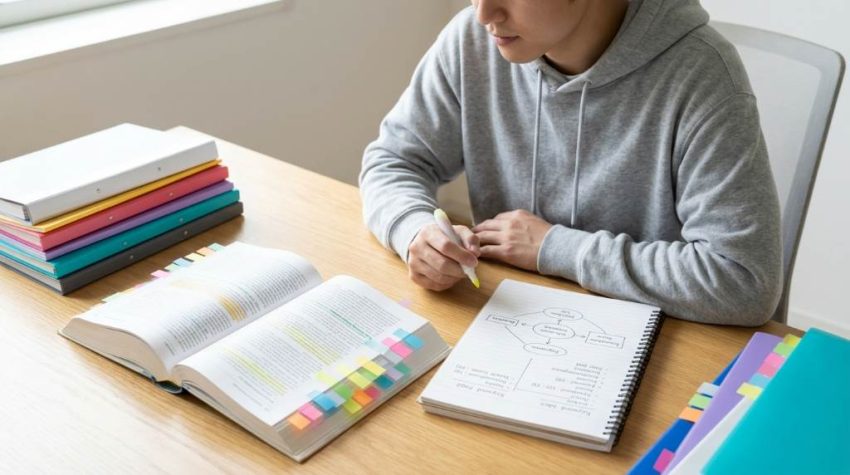
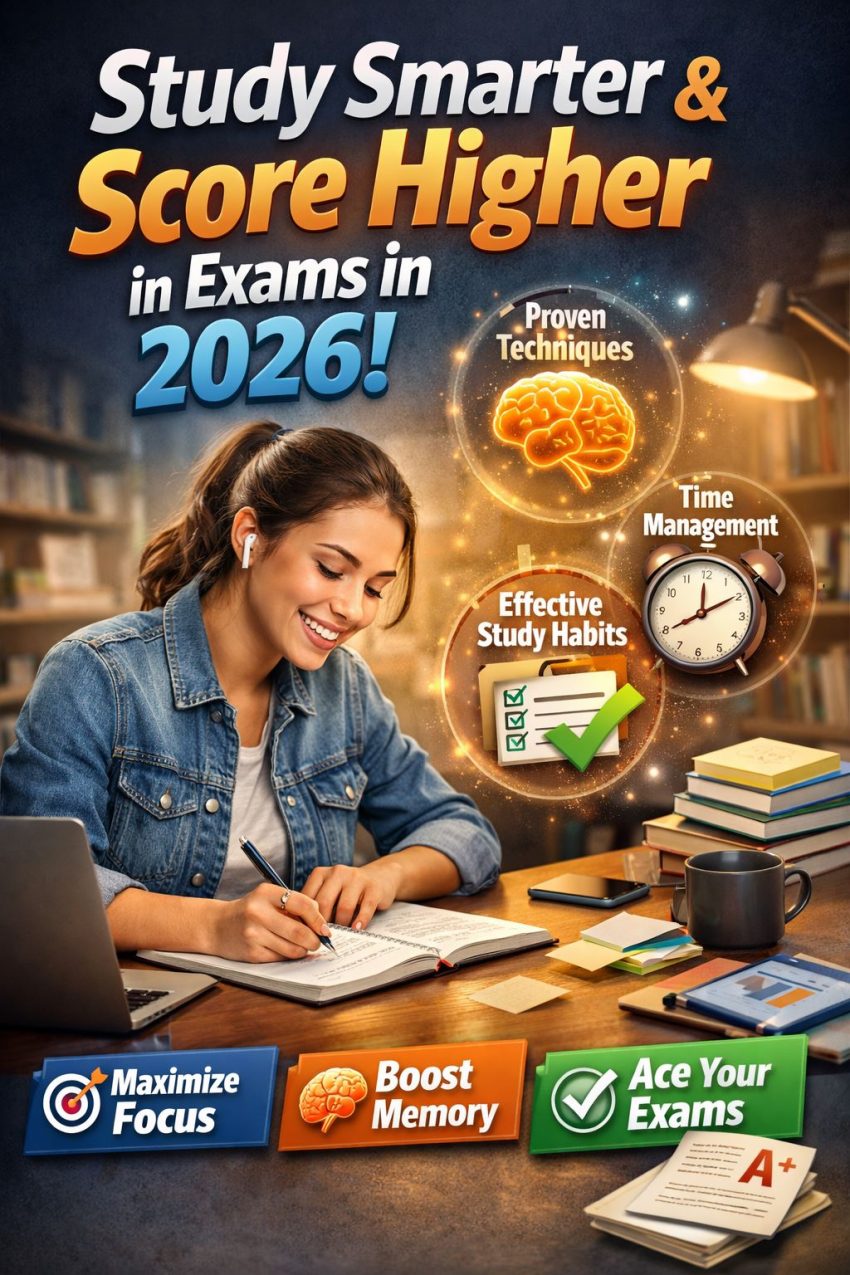
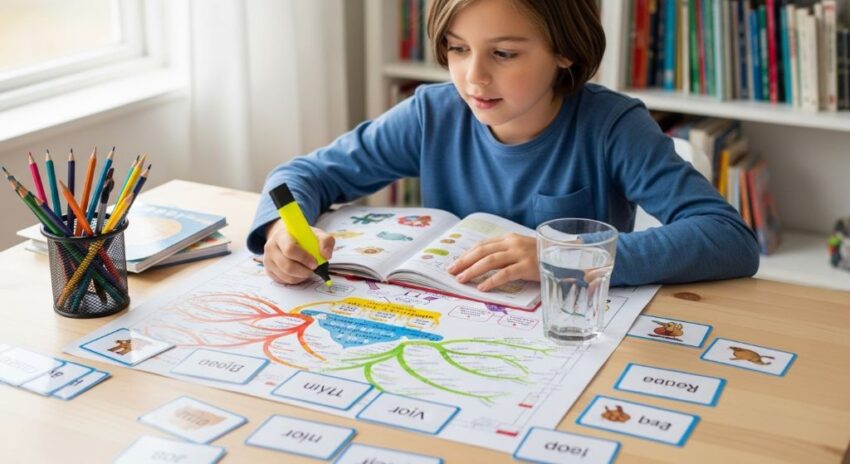
The pressure to perform well in exams has never been higher, and students in 2026 are searching for ways to study smarter, not harder. With the rise of digital distractions and an ever-increasing academic workload, traditional study methods often fall short. Research from the University of California shows that students who use effective study tips…
Category: Study Tips & Techniques
Study Tips & Techniques” refers to a collection of strategies and methods designed to enhance learning effectiveness and efficiency. This includes advice on time management, active learning, note-taking, memory improvement, test preparation, and creating a conducive study environment. The goal is to help individuals learn smarter, not just harder, leading to better understanding and retention of information.
Time Management for Kids: 5 Stress Free Teaching Tips
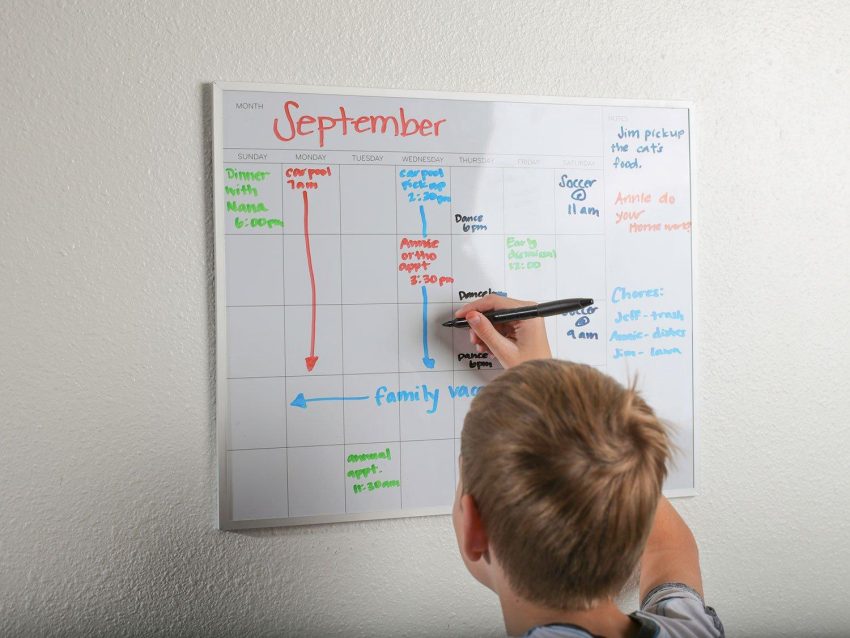
Key Takeaways Time management helps children build responsibility, independence, and self-discipline. Consistent daily routines make it easier for kids to understand and manage their time. Teaching children to prioritize tasks helps them focus on what is most important first. Breaking large tasks into smaller steps reduces overwhelm and increases motivation. Visual schedules, checklists, and timers…
7 Simple Ways to Teach Empathy to Toddlers
Key Takeaway Empathy is not something toddlers learn overnight. It develops through consistent daily experiences, emotional conversations, and positive role modeling. Parents and caregivers can nurture empathy by helping children identify feelings, encouraging acts of kindness, reading emotion-focused books, practicing perspective-taking, using pretend play, and recognizing compassionate behavior. These simple habits help toddlers build emotional…
Why Many High School Learners in Seattle, WA Lose Motivation After Semester Testing
Many students in Seattle, WA feel mentally drained after semester testing ends. Recent education reports show that nearly 65% of high school learners experience stress-related fatigue after major exams. In addition, school counselors across Washington have noticed rising emotional burnout among teenagers during winter and spring terms. This problem affects academic performance, confidence, and classroom…
How To Create A Distraction Free Study Hour That Improves Focus and Productivity
Students often struggle to stay focused because modern life is full of interruptions. Research shows that it can take more than 20 minutes to regain concentration after a distraction. In addition, studies reveal that multitasking lowers productivity and reduces memory retention. That is why learning how to create a distraction free study hour can completely…
How To Plan Revision Cycles Before Big Exams
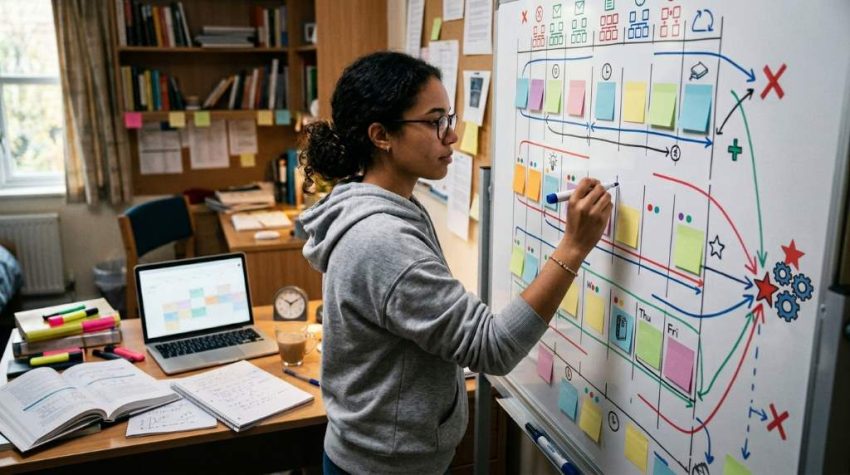
Preparing for major exams often feels stressful because students try to study everything at once. However, smart revision planning can improve memory, reduce pressure, and increase confidence before exam day. According to the National Training Laboratories, students remember nearly 75% of what they actively practice compared to only 5% from lectures alone. In addition, research…
How to Apply Immersive Learning in Online Education for Better Results
Online education has grown at a remarkable pace over the last decade. Millions of students now learn from home, from offices, and from remote corners of the world. However, many of them still struggle to stay engaged. They watch videos, read slides, and then forget most of what they learned a week later. This is…
How to Maximize Career Growth Through Formal Education in a Digital Era
The world of work is changing fast. New technologies emerge every year. Industries shift. Job roles that existed a decade ago are disappearing, and entirely new ones are taking their place. In this environment, many professionals wonder whether formal education still matters. The answer is yes — but the approach has evolved. Today, formal education…
Best Study Tips for Kids Using Brain-Based Learning Techniques
Every child has the ability to learn. However, not every child learns in the same way. Some kids absorb information quickly through stories. Others need to move around or draw pictures to understand new ideas. Brain-based learning takes all of this into account. It looks at how the brain naturally works and uses that knowledge…
How to Create a Personal Education Plan That Matches Your Career Goals
Many people want to grow in their careers. However, they are not always sure where to start. A personal education plan can give you a clear path forward. It helps you figure out what you need to learn and when. More importantly, it connects your learning directly to your career goals.