
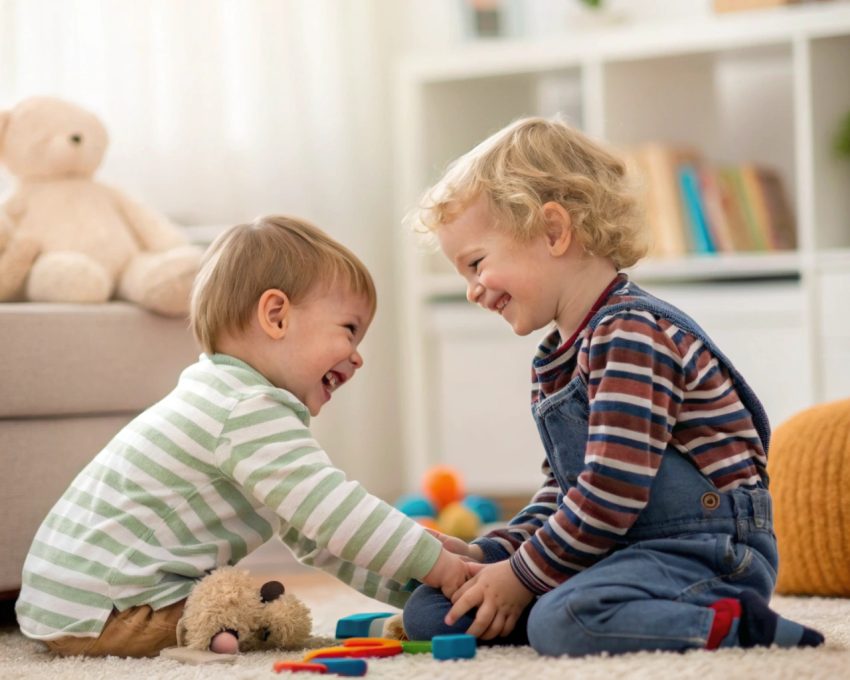
Key Takeaway
Empathy is not something toddlers learn overnight. It develops through consistent daily experiences, emotional conversations, and positive role modeling. Parents and caregivers can nurture empathy by helping children identify feelings, encouraging acts of kindness, reading emotion-focused books, practicing perspective-taking, using pretend play, and recognizing compassionate behavior. These simple habits help toddlers build emotional intelligence, strengthen social skills, and develop caring relationships that benefit them throughout life. Starting early with small, intentional actions can make a lasting impact on a child’s ability to understand, respect, and care for others.
Introduction
Have you ever watched a toddler offer a favorite toy to a crying friend? That small moment reveals the beginning of empathy. Empathy is the ability to understand and care about another person’s feelings. Although toddlers are still learning how emotions work, early childhood is the perfect time to help them develop this important life skill.
Research from the American Academy of Pediatrics shows that social and emotional development during the first five years strongly influences future relationships, learning abilities, and mental well-being. In addition, the Centers for Disease Control and Prevention highlight that emotional skills learned in early childhood support healthy social interactions throughout life.
Parents and caregivers often wonder how to raise kind, caring children. The good news is that teaching empathy does not require complicated lessons. Small daily interactions can make a lasting difference. In this guide, you will discover seven simple ways to teach empathy to toddlers while creating a nurturing environment that encourages kindness, understanding, and emotional growth.
Why Empathy Matters in Early Childhood
Empathy serves as the foundation for healthy relationships. Children who understand emotions often communicate more effectively and build stronger friendships. Furthermore, empathy helps toddlers learn cooperation, patience, and respect.
Young children naturally focus on their own needs. This stage is normal and developmentally appropriate. However, with guidance and practice, they gradually learn to recognize the feelings of others.
Studies suggest that children who develop empathy early often demonstrate better emotional regulation and stronger social skills later in life. As a result, investing time in empathy-building activities during the toddler years can provide lifelong benefits.
Understanding How Toddlers Develop Empathy
Before teaching empathy, it helps to understand what toddlers can realistically do. Most toddlers between one and three years old are still learning to identify emotions. Their brains are developing rapidly, which means emotional understanding grows gradually.
A toddler may notice another child crying but not fully understand why. Nevertheless, they can begin learning emotional awareness through observation and repetition.
Several factors influence empathy development:
- Parent and caregiver behavior
- Emotional conversations at home
- Social interactions with peers
- Consistent guidance and support
- Opportunities to practice kindness
Because empathy develops over time, patience remains essential throughout the process.
1. Model Empathetic Behavior Every Day
Children learn more from what adults do than from what adults say. Therefore, modeling empathy is one of the most effective teaching methods.
When your toddler observes you showing concern for others, they begin to understand how caring behavior looks in real life. Everyday moments provide countless opportunities for demonstration.
For example, if a neighbor appears upset, you might say, “She seems sad today. I hope she feels better soon.” Similarly, when a family member feels tired, you can acknowledge their emotions and offer support.
Ways to model empathy include:
- Listening attentively when others speak
- Showing kindness to strangers
- Offering help when someone struggles
- Speaking respectfully during disagreements
- Expressing concern when others are hurt
Consistency matters. The more frequently toddlers observe empathetic behavior, the more likely they are to imitate it.
2. Help Toddlers Identify and Name Emotions
Children cannot understand emotions they cannot recognize. Consequently, emotional vocabulary becomes a powerful tool for empathy development.
Start by labeling feelings during everyday experiences. When your child smiles after receiving a favorite snack, mention that they look happy. Likewise, when they become frustrated with a toy, acknowledge their disappointment.
Useful emotion words include:
- Happy
- Sad
- Angry
- Excited
- Scared
- Frustrated
- Proud
- Surprised
Ask simple questions such as:
- “How do you think she feels?”
- “What made you happy today?”
- “Why do you think he is crying?”
These conversations help toddlers connect behaviors with emotions. Over time, they become better at recognizing feelings in themselves and others.
3. Read Books That Encourage Emotional Understanding
Storytime offers a wonderful opportunity to teach empathy. Books introduce children to different emotions, experiences, and perspectives in a safe environment.
While reading, pause occasionally and discuss the characters’ feelings. Encourage your toddler to think about what the characters might be experiencing.
Questions to ask during storytime:
- How does the character feel right now?
- Why do you think they feel that way?
- What could help them feel better?
- Have you ever felt the same way?
These discussions strengthen emotional awareness while making reading more interactive and meaningful.
Best Types of Books for Teaching Empathy
Choose stories that focus on:
- Friendship
- Sharing
- Kindness
- Helping others
- Understanding differences
- Emotional experiences
Books allow children to explore feelings from multiple perspectives, which supports empathy growth naturally.
4. Encourage Kind and Helpful Actions
Empathy becomes meaningful when children put it into practice. Therefore, create opportunities for your toddler to help others throughout the day.
Simple acts of kindness teach children that their actions can positively affect someone else’s feelings.
Examples include:
- Bringing a blanket to a sibling
- Helping pick up dropped items
- Sharing toys during playtime
- Making a drawing for a grandparent
- Feeding a family pet
When your toddler helps someone, describe the impact of their actions.
For example, say, “Grandma smiled when you gave her that picture. You made her feel happy.”
This connection between action and emotion helps children understand the value of compassion.
5. Teach Perspective Taking Through Everyday Situations
Perspective taking is the ability to consider another person’s point of view. Although toddlers are still developing this skill, simple exercises can help.
Whenever conflicts arise, guide your child through the situation calmly.
Imagine two toddlers arguing over a toy. Instead of immediately solving the problem, ask questions that encourage reflection.
You might say:
- “How do you think your friend feels?”
- “What happened on her side?”
- “What could we do to help?”
These conversations encourage children to look beyond their own emotions.
Over time, perspective taking strengthens empathy because toddlers begin recognizing that other people have feelings and experiences different from their own.
6. Use Role Play and Pretend Play
Pretend play provides one of the most effective ways to develop empathy in young children. Through imagination, toddlers can explore emotions and social situations safely.
Create simple scenarios using dolls, stuffed animals, or toy figures.
For example:
- A teddy bear falls and gets hurt.
- A doll feels lonely.
- A toy animal loses a favorite item.
- A character needs help cleaning up.
Ask your toddler what the character might need or how they could help.
Role play encourages emotional thinking because children practice caring responses without real-world pressure.
In addition, pretend play strengthens communication skills and emotional intelligence, making it an excellent tool for social-emotional learning.
7. Praise Empathetic Behavior Specifically
Positive reinforcement encourages children to repeat desirable behaviors. However, general praise often lacks impact. Specific feedback works much better.
Instead of saying, “Good job,” describe exactly what your child did.
Examples include:
- “You shared your toy when your friend felt sad.”
- “You helped your brother pick up his blocks.”
- “You noticed that Dad was tired and gave him a hug.”
Specific praise helps toddlers understand which actions demonstrate kindness and empathy.
Furthermore, recognizing empathetic behavior builds confidence and motivation. Children feel proud of helping others and become more likely to repeat those actions in the future.
Common Mistakes to Avoid When Teaching Empathy
Even well-intentioned adults sometimes make mistakes that can slow emotional development.
Ignoring Emotions
Children need validation. Dismissing feelings may teach them to ignore emotions rather than understand them.
Forcing Apologies
A forced apology rarely creates genuine empathy. Instead, help children understand how their actions affected someone else.
Expecting Adult-Level Understanding
Toddlers are still developing emotionally. Keep expectations realistic and age-appropriate.
Punishing Emotional Expression
Allow children to experience feelings safely. Focus on teaching healthy responses rather than suppressing emotions.
Everyday Activities That Strengthen Empathy
Building empathy does not require extra hours in your schedule. Small moments throughout the day can provide meaningful lessons.
Try these simple activities:
During Mealtime
Discuss how family members feel about their day.
During Playdates
Encourage sharing, cooperation, and problem solving.
During Television Time
Talk about characters’ emotions and motivations.
During Outdoor Activities
Observe animals, plants, and people while discussing care and respect.
During Family Conversations
Practice active listening and respectful communication.
These daily habits gradually build a strong foundation for empathy and emotional awareness.
The Long-Term Benefits of Teaching Empathy Early
Teaching empathy during toddlerhood offers benefits that extend far beyond childhood.
Children with strong empathy skills often:
- Build healthier friendships
- Resolve conflicts more effectively
- Communicate with greater understanding
- Show increased kindness and cooperation
- Develop stronger emotional intelligence
- Demonstrate better leadership abilities later in life
Moreover, empathy contributes to a more caring community. When children learn compassion early, they carry those values into school, relationships, and adulthood.
Conclusion
Teaching empathy to toddlers does not require perfect parenting or complicated strategies. Instead, it grows through consistent daily experiences, meaningful conversations, and positive examples. By modeling compassionate behavior, naming emotions, reading empathy-focused books, encouraging kindness, practicing perspective-taking, using pretend play, and offering specific praise, you can help your child develop valuable emotional skills.
Start with one small step today. Whether you read an empathy-focused story, discuss feelings during dinner, or encourage a kind gesture, each moment contributes to raising a caring and emotionally intelligent child.
Frequently Asked Questions
How early can toddlers learn empathy?
Children begin showing early signs of empathy during the second year of life. While understanding remains limited at first, consistent guidance helps empathy develop steadily throughout toddlerhood.
What is the best way to teach empathy to a two-year-old?
Modeling empathetic behavior and discussing emotions during everyday situations are among the most effective methods. Young children learn best through observation and repetition.
Can empathy be taught naturally at home?
Yes. Daily interactions, family conversations, storytime, and acts of kindness provide natural opportunities to teach empathy without formal lessons.
Why does my toddler seem selfish sometimes?
Self-focused behavior is a normal developmental stage. Toddlers are still learning emotional regulation and perspective taking. With patience and guidance, empathy gradually develops.
Do books really help children develop empathy?
Yes. Stories expose children to different emotions and perspectives. Discussing characters’ feelings during reading sessions can significantly support emotional understanding.