
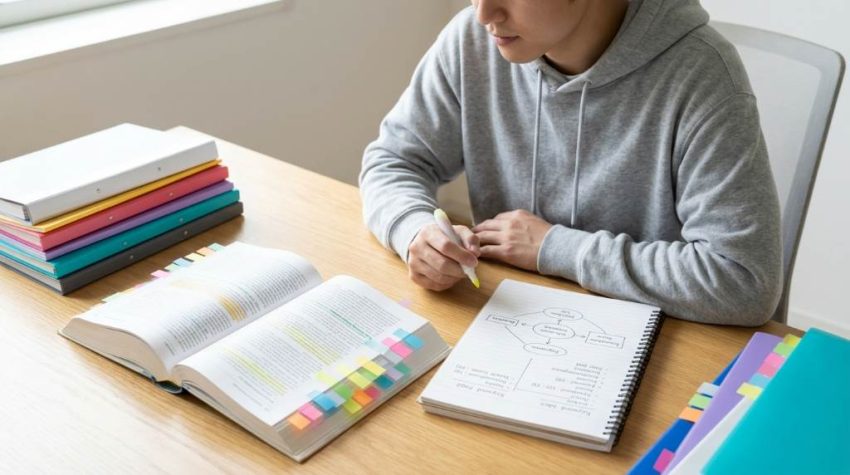
Many students believe open-book exams are easier than traditional tests, yet they often require stronger thinking skills. Research from educational institutions shows that students who actively organize study materials perform significantly better than those who rely only on finding answers during the exam. Additionally, studies indicate that structured preparation improves retention and reduces exam anxiety. Understanding how to prepare for open-book exams well helps you solve problems faster, apply concepts confidently, and manage your time effectively under pressure instead of searching through endless pages.
Understand the Real Purpose of Open-Book Exams
Open-book exams measure your ability to analyze, evaluate, and apply information instead of memorizing facts. Therefore, your preparation should focus on understanding concepts rather than collecting books. Reading helpful strategies like Seattle high school student motivation can also strengthen consistent learning habits before exam day.
Most instructors create questions that require reasoning instead of simple definitions. As a result, students who deeply understand the material usually finish faster and answer more accurately.
Know Your Exam Format Before You Study
Every instructor designs open-book exams differently, so review the course guidelines carefully. Some exams allow printed notes, while others permit only textbooks or digital resources.
Identify whether the questions involve essays, case studies, calculations, or multiple choice. This knowledge helps you prepare resources that directly support the expected question style.
Review the Course Policies
- Check permitted materials.
- Confirm time limits.
- Understand citation requirements.
- Review calculator or software rules.
- Know submission procedures.
Organize Your Study Materials Carefully
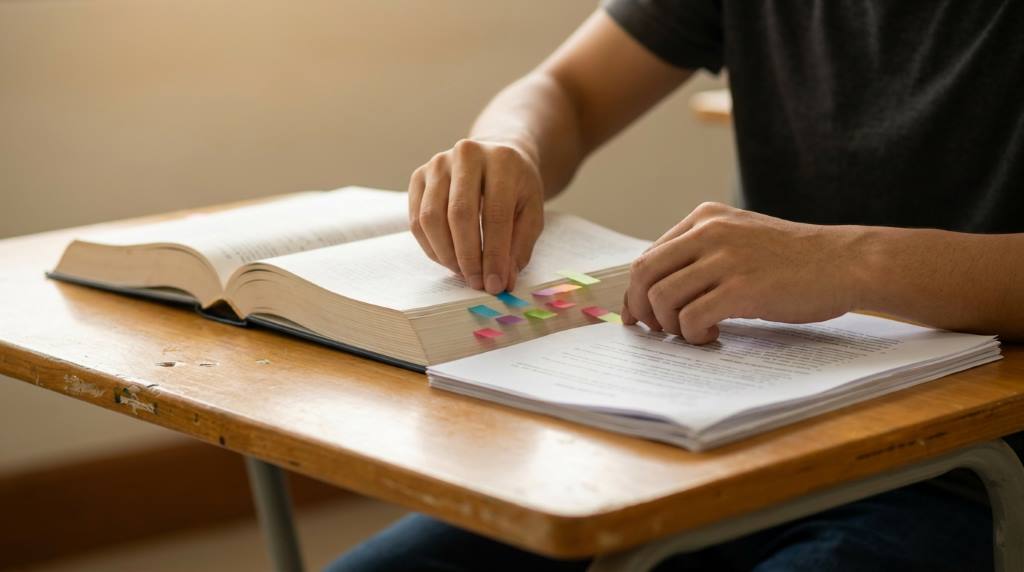
A messy textbook wastes valuable minutes during an exam. Instead, create an organized system that helps you locate information immediately. You can also improve broader learning skills by exploring simple ways teach empathy, since effective learning habits often develop through thoughtful educational practices.
Use sticky tabs, color coding, section dividers, and labeled notes to build an efficient reference system. Well-organized materials reduce stress and improve confidence during challenging questions.
Create a Quick Reference Sheet
- Important formulas
- Key definitions
- Main theories
- Chapter summaries
- Frequently used examples
Study the Content Instead of Depending on Books
Many students mistakenly believe they can search every answer during the exam. Unfortunately, constant searching consumes valuable time and increases mistakes. Strong planning skills become easier after reading time management teaching tips, which encourage better organization before important assessments.
Learn major concepts, relationships, and problem-solving methods before exam day. Then use your books only to verify details or confirm specific information.
Practice Answering Realistic Questions
Practice prepares your brain to think under pressure. Therefore, complete sample questions using only the resources allowed during the actual exam.
Time yourself during every practice session. Afterwards, identify which questions required excessive searching and improve your reference system accordingly.
Helpful Practice Methods
- Solve previous exams.
- Create practice essays.
- Answer case study questions.
- Review incorrect responses.
- Repeat difficult topics.
Build an Effective Note System
Good notes simplify complex topics into clear summaries. They also reduce the need to read entire chapters during the exam.
Write short explanations using your own words instead of copying textbook paragraphs. Personal notes improve understanding and support faster recall.
Include These Elements in Your Notes
- Main concepts
- Examples
- Common mistakes
- Important diagrams
- Formula explanations
Improve Your Time Management Skills
Time management often determines exam success more than knowledge alone. Divide your available time according to question value before answering.
Begin with easier questions to build confidence and secure quick marks. Afterwards, dedicate the remaining time to longer analytical responses.
Simple Time Allocation Strategy
- Read all questions first.
- Assign time limits.
- Answer easy questions.
- Review remaining time.
- Proofread every response.
Learn to Apply Information
Open-book exams usually reward critical thinking rather than direct quotations. Therefore, explain ideas using evidence instead of copying textbook language.
Connect theories with practical situations whenever possible. Real examples demonstrate understanding and strengthen your answers naturally.
Avoid Common Open-Book Exam Mistakes
Several avoidable habits reduce scores even among prepared students. Recognizing these mistakes early helps you perform more confidently.
- Reading entire chapters during the exam.
- Using disorganized notes.
- Ignoring time limits.
- Copying textbook content directly.
- Skipping practice sessions.
- Answering without planning.
Prepare the Night Before the Exam
Final preparation should focus on organization instead of cramming. Gather every approved resource and confirm your exam schedule.
Sleep well because mental focus improves reasoning and decision making. A rested mind processes information much faster than an exhausted one.
Stay Calm During the Exam
Read every question carefully before opening your textbook. Often, you already know most of the answer without searching.
If you become stuck, move forward and return later with fresh thinking. Remaining calm helps you make better decisions throughout the exam.
Conclusion
Learning how to prepare for open-book exams well requires organization, understanding, practice, and effective time management. Students who study actively instead of depending on textbooks consistently achieve stronger results.
Start preparing early, organize your resources wisely, and practice realistic questions regularly. Apply these strategies consistently to improve your confidence and achieve better exam performance.
Frequently Asked Questions
Do I need to study for an open-book exam?
Yes, understanding concepts remains essential because most questions require analysis instead of memorization.
Are open-book exams easier?
No, they often demand stronger critical thinking and better time management.
What materials should I organize before the exam?
Prepare textbooks, notes, summaries, formulas, and clearly labeled reference tabs.
Should I memorize anything for an open-book exam?
Yes, memorize key concepts so you spend less time searching during the test.
What is the biggest mistake students make?
Many students waste valuable time searching through books instead of applying what they already understand.