

Students often feel stressed when exams arrive faster than expected. In fact, studies show that nearly 70% of students experience exam anxiety before major tests. Another report found that focused revision sessions improve memory retention by almost 40% compared to random reading. That is why learning how to study one chapter in under 30 minutes before an exam can save valuable time and reduce pressure. A smart study method helps you absorb key ideas quickly without wasting energy. Moreover, fast revision techniques improve confidence and help students stay calm during intense exam weeks.
Why Fast Chapter Revision Works Better Than Long Study Hours
Many students believe longer study sessions automatically produce better results. However, the brain absorbs information more effectively during short and focused learning periods. Quick revision keeps your attention sharp and prevents mental exhaustion before exams. As a result, students remember concepts faster and stay motivated throughout the study session.
Efficient learners focus only on high priority material before exams. They avoid rereading entire textbooks because that wastes valuable revision time. Instead, they review summaries, formulas, diagrams, and important examples. Students following strategies similar to last minute SAT study techniques often improve focus during short revision sessions.
Prepare Your Study Environment Before Starting
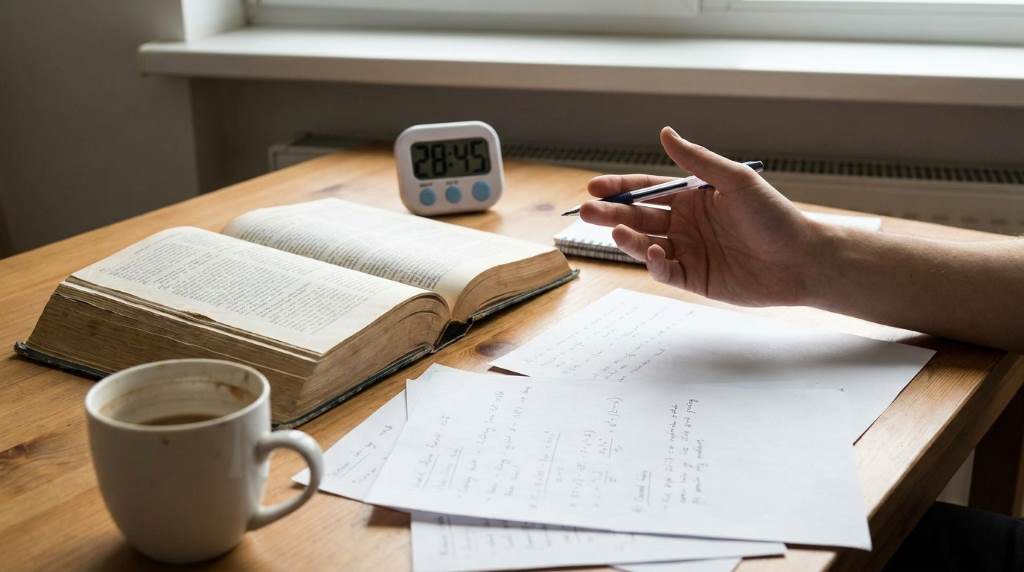
Your study environment directly affects how quickly your brain processes information. Therefore, remove distractions before beginning the 30 minute revision session. Keep only essential study materials near your desk to avoid wasting time searching for notes. A clean workspace creates mental clarity and improves concentration immediately.
Lighting and room temperature also influence study performance during exams. For example, students in colder states like Minnesota may study better in a warm and comfortable room during winter. Meanwhile, students in hot areas like Arizona often focus better in air conditioned spaces. Small environmental adjustments help the brain stay active during short study periods.
Essential Materials To Keep Nearby
- Class notes and textbook
- Highlighter and pen
- Water bottle
- Sticky notes for key points
- Timer or stopwatch
Use The 5 Minute Preview Method First
The first five minutes should focus only on scanning the chapter quickly. Read headings, subheadings, diagrams, highlighted words, and summaries without stopping. This technique prepares your brain to recognize important information faster later. Consequently, you spend less time trying to understand the chapter structure.
During this stage, avoid detailed reading because it slows down the revision process. Instead, identify major topics and mentally divide the chapter into smaller sections. Students who organize information visually usually remember facts more efficiently during exams. This method becomes especially useful when studying multiple subjects in one night.
Spend 10 Minutes On Core Concepts Only
After previewing the chapter, focus entirely on core concepts for the next ten minutes. Read only the most important explanations, formulas, definitions, and examples. Ignore unnecessary details because exam questions usually target main ideas first. As a result, you maximize retention within limited study time.
Active reading works much better than silent reading during fast revision sessions. Therefore, underline keywords and speak difficult concepts aloud while studying. Short verbal repetition improves memory recall and keeps the brain engaged. Students using supplements discussed in ultimate nootropic stack discussions often combine them with active learning methods for better concentration.
How To Identify Core Concepts Quickly
- Look for repeated terms in the chapter
- Focus on bold or highlighted text
- Review teacher marked sections
- Study diagrams and charts carefully
- Read end of chapter summaries
Create Fast Memory Triggers In 5 Minutes
Memory triggers help students recall information rapidly during exams. These triggers may include acronyms, symbols, visual associations, or short phrases connected to important concepts. Instead of memorizing full paragraphs, focus on remembering these quick mental cues. Consequently, information becomes easier to retrieve under pressure.
For example, science students can connect formulas to simple visuals for faster recall. History students may create timelines using only keywords and important years. Meanwhile, language learners can remember grammar rules through short examples instead of long explanations. These small techniques save significant time before exams.
Use The 5 Minute Self Testing Strategy
Self testing is one of the fastest ways to check understanding before an exam. Close the book and try explaining the chapter aloud in your own words. If you struggle to recall certain topics, revisit only those weak sections briefly. This targeted review prevents wasting time on concepts you already understand.
Practice questions also improve confidence and reduce panic during exams. Therefore, answer a few likely questions without checking your notes immediately. Students preparing for writing based subjects often improve faster using methods similar to study for AP Lang preparation strategies because they emphasize active recall and structured revision.
Quick Self Testing Ideas
- Explain concepts aloud
- Write formulas from memory
- Create mini quizzes
- Teach the topic to someone
- Answer textbook review questions
How To Study One Chapter In Under 30 Minutes Before An Exam Without Stress
Stress often reduces memory performance before important exams. Therefore, staying calm during revision matters just as much as studying itself. Take slow breaths before beginning your study session to relax your mind. A calm brain processes information much faster than an anxious one.
Time pressure becomes manageable when you follow a structured revision plan. Instead of panicking about unfinished chapters, focus only on essential information first. Students who master how to study one chapter in under 30 minutes before an exam usually rely on consistency rather than last minute cramming. This approach builds stronger long term learning habits.
Best Techniques For Different Subjects
Science Subjects
Science chapters usually contain formulas, diagrams, and definitions that require active memorization. Therefore, focus heavily on understanding processes instead of reading every paragraph. Draw quick diagrams and explain concepts aloud to improve retention. This method works especially well for biology, chemistry, and physics revision.
Math Subjects
Math revision should focus mainly on formulas and problem solving steps. Spend most of your time solving two or three important example problems quickly. Avoid reading solved examples repeatedly because active practice produces better results. Short problem solving sessions improve calculation speed before exams.
History And Literature
History and literature chapters contain large amounts of information and analysis. Therefore, summarize events, themes, and character details into short bullet points. Timelines and keyword lists improve memory during fast revision sessions. Additionally, speaking summaries aloud strengthens understanding before exams.
Common Mistakes Students Make During Fast Revision
Many students waste time by trying to memorize every single detail before exams. This approach creates mental overload and increases stress quickly. Instead, focus on high scoring concepts and frequently tested topics first. Smart revision always works better than excessive reading.
Another common mistake involves studying without breaks or hydration. Even short revision sessions require mental freshness for maximum efficiency. Therefore, drink water and stretch briefly before starting the chapter review. Healthy study habits improve concentration and reduce fatigue significantly.
How To Improve Focus During Short Study Sessions
Concentration becomes extremely important when studying under time pressure. Therefore, silence phone notifications and avoid social media completely during revision. Even short distractions can interrupt memory formation and reduce productivity. Focused study sessions always produce stronger results in less time.
Music affects students differently during revision sessions. Some students concentrate better with instrumental music while others prefer complete silence. Test both options to discover which environment supports your focus most effectively. Personalizing your study style improves learning speed naturally.
Why Active Recall Beats Passive Reading
Passive reading gives students the false feeling that they understand the chapter completely. However, real learning happens only when the brain actively retrieves information. Active recall strengthens memory pathways and improves exam performance significantly. That is why fast learners rely more on practice and self testing.
Students using active recall techniques remember information for longer periods. Additionally, they identify weak areas much faster during revision sessions. This method supports students preparing for difficult exams within limited time. As a result, studying becomes more efficient and less stressful overall.
How To Study One Chapter In Under 30 Minutes Before An Exam Effectively Every Time
Consistency matters more than perfection when preparing for exams. Students who practice structured revision methods regularly improve speed over time naturally. Eventually, the brain learns how to identify important information almost instantly. This makes exam preparation smoother and far less overwhelming.
Learning how to study one chapter in under 30 minutes before an exam requires discipline, focus, and smart planning. Avoid multitasking because divided attention reduces memory retention significantly. Instead, follow the same revision structure for every chapter consistently. Simple habits often produce the biggest academic improvements.
Conclusion
Mastering how to study one chapter in under 30 minutes before an exam can reduce stress and improve academic performance dramatically. Short and focused revision sessions help students retain key information more effectively than long study hours. Moreover, techniques like active recall, self testing, and memory triggers improve confidence before exams. Students seeking additional preparation methods often benefit from resources like how to study AP Lang strategies because they emphasize structured revision techniques.
Start applying these fast revision methods during your next study session and track your improvement over time. Consistent practice will help you study smarter, stay calmer, and perform better during exams. Most importantly, trust the process and focus on progress instead of perfection. Strong revision habits can completely transform your exam preparation experience.
FAQs
Can I really study one chapter in under 30 minutes?
Yes, focused revision techniques make it possible to understand key concepts quickly before exams.
What is the best revision method before exams?
Active recall combined with self testing usually delivers the best exam preparation results.
Should I read the whole chapter before an exam?
No, focusing on summaries, formulas, and important concepts saves more time and improves retention.
How can I stay focused during fast revision?
Remove distractions, use a timer, and study in a clean and quiet environment.
Is fast studying effective for difficult subjects?
Yes, structured revision methods help students review difficult subjects more efficiently before exams.