
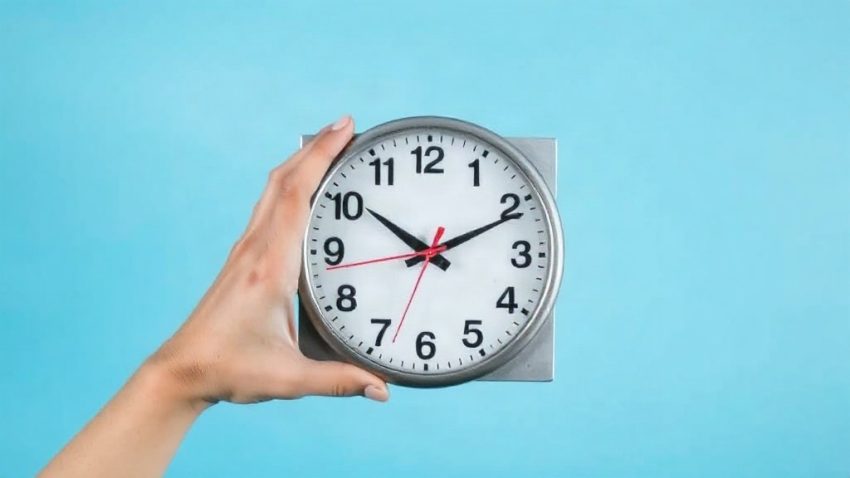
What Has Hands but Cannot Clap? Can You Solve This Classic Riddle? sounds like a simple word game, yet it trips up plenty of adults who hear it for the first time. The puzzle asks you to picture something with hands that never applaud, never wave, and never grip.
Quick answer: The classic answer is a clock. It has hands—the hour hand and the minute hand—that point at numbers all day, yet they cannot clap. Some versions accept a watch, and a few riddles use different twists, which is why the question keeps spreading.
This article explains the riddle, why its answer works, how to solve similar brain teasers, and the mistakes that make people overthink it. By the end, you will know the answer cold and have a simple method for cracking dozens of riddles like it.
What is What Has Hands but Cannot Clap? Can You Solve This Classic Riddle?
The riddle is a play on a single word with two meanings. “Hands” usually means the body parts you clap with. In this riddle, it means the pointers on a clock face. Once you swap the meaning, the whole puzzle clicks into place.
The answer and how it works
A clock has two or three hands: an hour hand, a minute hand, and sometimes a slim second hand. Each one sweeps around the dial to mark time. None of them can clap, because they are flat pieces of metal or plastic with no palms and no fingers.
The trick lives in the double meaning of “hand.” A clock hand is a pointer, not a limb. Riddles like this one depend on that kind of overlap, and spotting the second meaning is the entire challenge.
Why a clock fits every clue
Read the riddle closely and the clock answers each part:
- It has hands, so the first clue is satisfied.
- Those hands cannot clap, because they have no way to strike together.
- A clock also cannot speak, walk, or wave, which is why “hands” is the one clue that matters.
A watch works just as well. So does a grandfather clock, a wall clock, or the clock app on your phone. Any timepiece with hands on its face gives the same answer.
Where the riddle comes from
Nobody knows who wrote this riddle. It belongs to a long tradition of wordplay puzzles passed around by word of mouth, in schoolyards, at dinner tables, and now on social media. The format is familiar: describe an ordinary object in a way that hides its identity, then let the listener guess.
Some versions add a second line, such as “What has hands but cannot clap, a face but cannot smile?” The answer stays the same, because a clock has a face too. That extra clue usually makes the puzzle easier, not harder.
Riddles rarely hide objects. They hide a second meaning of an ordinary word. Learn to hear that second meaning and most riddles stop being baffling.
Takeaway: A clock is the answer because “hands” refers to its pointers, not human limbs.
Why What Has Hands but Cannot Clap? Can You Solve This Classic Riddle? matters
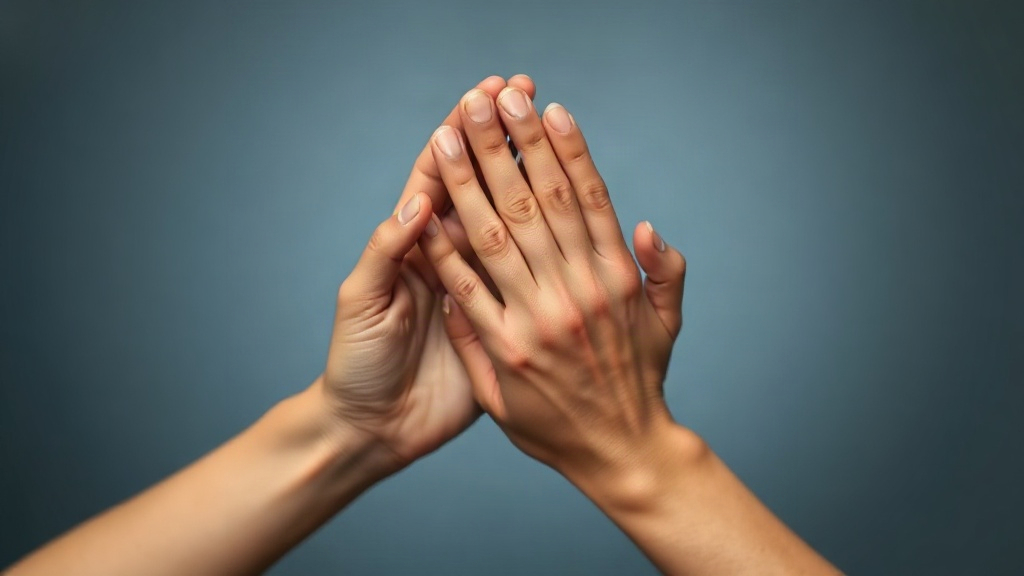
A riddle about a clock sounds harmless, and it is. The real value sits in what solving it trains. Riddles are small workouts for language and logic at the same time, and that pairing is rarer than it looks.
It builds flexible thinking
Most school problems reward one correct path. Riddles reward switching paths. When “hands” fails as body parts, your brain must try another definition. That mental shift—letting go of the first interpretation—is the same skill you use when a plan fails at work or a recipe goes wrong.
Psychologists often describe this as breaking a mental set: the habit of seeing a problem one way. Riddles force that break in a low-pressure setting. A minute spent on a riddle teaches the habit far better than a lecture about it.
It strengthens vocabulary and wordplay
English is full of words with multiple meanings, and riddles put those meanings on display. Think of a “bank” that holds money or a river’s edge. Think of a “bat” that flies or swings at a ball. A clock’s hands join that same list.
For children, riddles are one of the easiest ways to learn that words can shift meaning with context. For adults, they keep that awareness sharp. Teachers and speech therapists often use riddles for exactly this reason, because they make vocabulary practice feel like a game.
It gives you a social icebreaker
Riddles travel well. They need no equipment, no setup, and no screen. A single question can fill a car ride, wake up a quiet dinner table, or break the ice with a new group of people. The clock riddle works especially well because almost everyone can picture a clock, yet many people miss the answer at first.
Group settings add an extra layer too. One person may guess “a person wearing gloves” while another says “a statue.” The wrong answers often spark better conversation than the right one.
A riddle trains flexible thinking, sharpens word awareness, and starts conversations—all in under a minute.
Takeaway: The riddle’s value is not the answer itself but the mental habits it practices.
Best practices
Solving riddles is a skill, and like any skill it responds to a few simple habits. The next time a teaser stumps you, work through these steps instead of guessing at random.
Listen for words with two meanings
Treat every noun as a suspect. In this riddle, the strongest clue is “hands,” and the word hides the whole puzzle. Ask yourself: which words in this sentence have a second, less obvious meaning?
Keep a short mental list of common double-meaning suspects:
- Hands – limbs, clock pointers, or cards held in a game
- Face – your face, a clock face, or a cliff face
- Mouth – your mouth, a river mouth, or a bottle’s mouth
- Foot – your foot, a mountain’s foot, or the foot of a bed
- Head – your head, the head of a table, or the head of a line
Run each one against the clues before you decide the riddle makes no sense. Most of the time, one of them fits.
Work through every clue
Good riddles give no wasted words, so test each clue in order. “Has hands” fits the clock. “Cannot clap” fits too, because there is nothing to clap. If a candidate answer fails even one clue, set it aside and try another.
Hasty solvers usually skip this step. People hear “hands,” grab the first image that comes to mind, and stop listening before the final clue arrives.
Start with ordinary household objects
Riddle answers are often plain things you see every day: a clock, a mirror, a needle, an egg, a broom. Before you guess something exotic, run through common objects in your home. A simple answer beats a clever one because riddles usually describe ordinary things in surprising ways.
Say the riddle out loud
Reading silently hides sound clues. A rhyme, a repeated letter, or a stressed word can point straight to the answer, and you notice it far better with your ears than with your eyes. Pause where the riddle pauses. Many teasers place clues in how they sound, not just what they say.
Wait a full sixty seconds before you ask for the answer. The struggle is what builds the skill, and a quick reveal steals that practice.
Takeaway: Treat each clue as evidence, listen for double meanings, and start with everyday objects.
Common mistakes to avoid
Most wrong answers come from a handful of predictable habits. Knowing them ahead of time can help you sidestep the same trap.
Forgetting the second meaning
The most common mistake is to read every word too literally. If you hear “hands” and picture only fingers, you rule out the right answer without realizing it. Train yourself to ask, “Could this word mean something else here?” That single question solves more riddles than any trick.
Overthinking the clues
Some solvers chase answers that feel impressive instead of likely. They guess “a robot” or “an octopus” when the answer is sitting on the kitchen wall. Ask whether the answer fits all the clues, not whether it sounds clever.
Ignoring one clue
People often focus on the first clue and stop reading. In this riddle, many stop at “has hands” and never check “cannot clap.” A candidate that claps, or that could clap in some imagined version, fails the test.
Giving up too fast
Riddles need a moment of stuckness. Many solvers quit after five seconds and ask for the answer, which turns practice into mere trivia. Hold on a little longer. The moment when the second meaning clicks is the moment the skill grows.
Spreading the answer too early
If you know the answer and want to share the riddle, hold back for a moment. Do not blurt the solution at the first guess. A little patience makes the reveal far more fun and respects the other person’s chance to solve it.
Misremembering the riddle
Half the confusion around riddles comes from mangled versions. Someone recalls “a face but cannot smile” as “a mouth but cannot speak.” Those changes make the puzzle harder or impossible. Repeat the version you know exactly as you learned it, and if someone shares their own, listen to their wording.
Takeaway: Avoid literal reading, overcomplicated guesses, and early reveals, and let the puzzle breathe.
FAQ
Is “a clock” the only accepted answer?
A clock is the standard answer. A watch works as well, since it also has hands and a face. Riddlers sometimes accept anything with hands that cannot clap, but the clock is the answer most people expect.
Why does the riddle confuse so many people?
Most people first hear “hands” as body parts. That first meaning is so strong that the brain clings to it. The riddle only works once you notice that “hands” can also mean pointers on a dial.
Can I use this riddle with young children?
Yes. It suits children around age seven and up, since they already read clocks and know the word “hands” in both senses. Give a hint about time or clocks if a child gets stuck, and let them retry.
How long should I wait before giving the answer?
Wait about a minute. Riddles reward a bit of struggle, and the second meaning usually clicks within that window. On social media, you can reveal the answer in a reply so others still get their chance to solve it.
What is the most common wrong guess?
“A statue” comes up often, because statues have hands and cannot clap. Statues do not have faces that tell time, though. Guesses like “a doll” or “a robot” share the same flaw.
Conclusion
The answer to What Has Hands but Cannot Clap? Can You Solve This Classic Riddle? is a clock. Its pointers count as hands, and they cannot clap. The riddle earns its place as a favorite because it hides a plain object behind one word with two meanings.
Riddles like this one train flexible thinking, sharpen your feel for wordplay, and give you a quick way to spark conversation. Use the habits above: hear the double meanings, test every clue, and resist the urge to blurt the answer.
Your next step is simple. Share the riddle with someone today, let them sit with it for a minute, and watch the moment the answer clicks into place.