
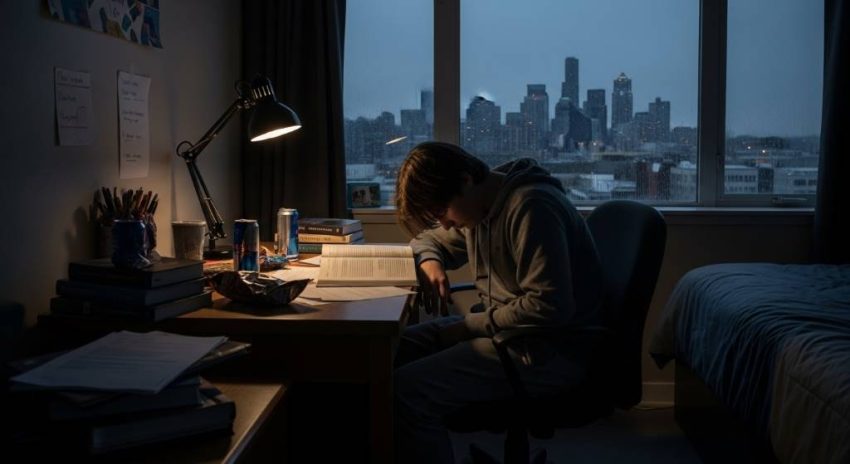
Many students in Seattle, WA feel mentally drained after semester testing ends. Recent education reports show that nearly 65% of high school learners experience stress-related fatigue after major exams. In addition, school counselors across Washington have noticed rising emotional burnout among teenagers during winter and spring terms. This problem affects academic performance, confidence, and classroom participation. However, many schools now encourage student self reflection after exams because it helps learners process pressure in healthier ways.
Seattle students face unique challenges that often increase emotional exhaustion after testing periods. The city’s cloudy weather, shorter winter days, and competitive academic culture create additional pressure for teenagers. Many learners also balance sports, part-time jobs, and family responsibilities at the same time. As a result, motivation drops quickly once semester exams end. Understanding the real causes behind this issue can help families and schools support students more effectively.
The Emotional Crash That Happens After Semester Exams
Many high school students spend weeks preparing for exams with strict study schedules and little rest. After testing finishes, their minds suddenly lose structure and urgency. Consequently, they often feel emotionally empty instead of relieved. This reaction is common among teenagers who tie their self-worth to grades. Furthermore, the pressure to succeed in Seattle’s competitive school districts makes the emotional crash even stronger.
Students often believe exam scores define their future opportunities and college acceptance chances. Because of this mindset, they stay under constant pressure throughout the semester. Once the tests end, their brains struggle to switch from stress mode to recovery mode. Some students even feel guilty for relaxing after exams. Schools discussing maximize career growth formal education strategies should also teach emotional recovery habits to protect student motivation.
Seattle’s rainy climate can also intensify emotional exhaustion after testing periods. Dark mornings and limited sunlight often affect energy levels during winter semesters. In fact, some students experience seasonal mood changes that reduce focus and enthusiasm. Therefore, motivation naturally decreases when exams end during colder months. Teachers who understand this pattern can offer more emotional support after testing seasons.
Why Motivation Drops Faster in High-Pressure School Environments
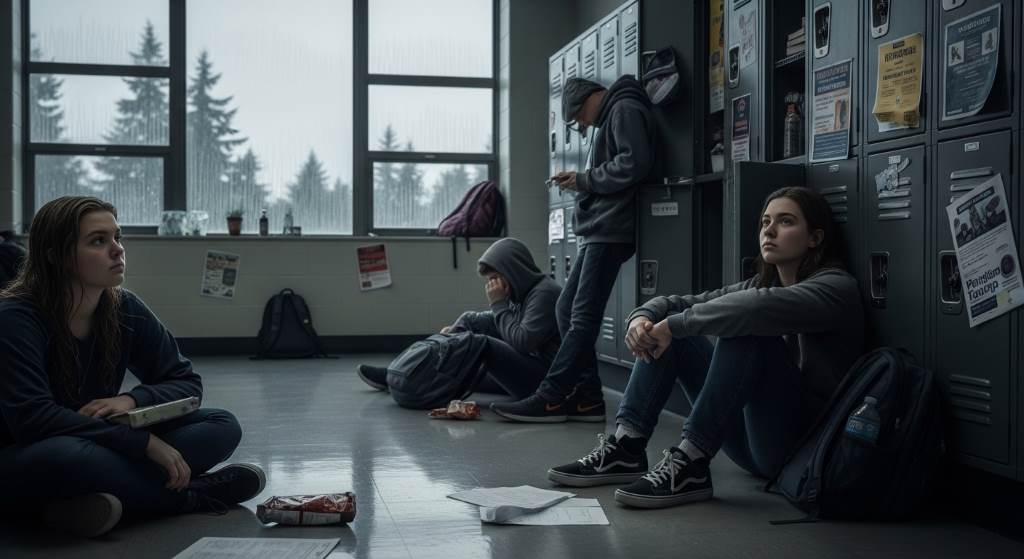
Seattle has many academically strong schools that encourage high achievement from an early age. While this creates successful learners, it also increases unhealthy competition among students. Teenagers frequently compare grades, extracurricular activities, and college goals with classmates. Consequently, students feel exhausted after maintaining constant performance pressure for months. This environment often leaves little room for emotional balance.
Parents in highly educated cities sometimes unknowingly add extra pressure at home. Many students hear daily conversations about scholarships, career paths, and university rankings. Although families want the best for their children, constant academic discussions can create anxiety. Eventually, students begin associating school with stress rather than personal growth. This emotional connection weakens long-term motivation after exams end.
Social media also contributes to motivation loss among Seattle teenagers. Students regularly see classmates posting high grades and achievement updates online. Because of this, many learners feel they never perform well enough. Even successful students may experience self-doubt after comparing themselves to others. As a result, semester testing becomes emotionally overwhelming instead of educationally rewarding.
The Hidden Impact of Mental Fatigue on Teenagers
Mental fatigue is one of the least discussed reasons students lose motivation after exams. During testing weeks, teenagers often reduce sleep and spend hours reviewing material. Their brains stay under constant strain for extended periods. Consequently, concentration and emotional energy drop significantly after exams finish. Many students mistake this exhaustion for laziness.
High school learners also experience decision fatigue during exam periods. Every day involves choices about studying, assignments, revision schedules, and extracurricular commitments. Over time, the brain becomes overwhelmed by constant mental processing. Therefore, students may avoid school-related tasks once testing ends. This reaction is actually a sign of cognitive overload rather than lack of ambition.
Seattle students who commute long distances face additional mental pressure during testing seasons. Traffic congestion, crowded buses, and early morning travel increase daily stress levels. Combined with academic demands, these factors create deeper emotional exhaustion. Furthermore, bad weather during winter months can make commuting even more tiring. Schools rarely discuss how environmental stress affects student motivation.
How Lack of Purpose After Exams Creates Emotional Confusion
Many students organize their entire semester around exam preparation goals. Once those exams end, they suddenly lose a sense of direction. Without immediate academic targets, motivation often disappears temporarily. Teenagers may feel confused about what to focus on next. This emotional gap becomes especially noticeable in high-achieving schools.
Some learners also struggle because schools immediately shift toward new assignments after testing ends. Students barely have time to recover mentally before facing more academic pressure. Consequently, frustration and emotional detachment increase quickly. Programs that teach apply immersive learning online methods can help students reconnect with learning in more engaging ways after stressful exams.
Teenagers often need meaningful activities that restore motivation gradually after testing periods. Creative projects, group discussions, and hands-on learning can rebuild emotional energy effectively. However, many schools continue traditional routines without addressing post-exam burnout. This creates emotional distance between students and education. Over time, learners may lose curiosity and confidence.
The Role of Sleep and Physical Health in Motivation Loss
Sleep deprivation affects thousands of high school students during semester exams. Many teenagers stay awake late to revise notes and complete assignments. Unfortunately, poor sleep directly impacts emotional regulation and memory retention. As a result, students feel physically exhausted after exams finish. Their motivation naturally decreases because the body needs recovery time.
Seattle’s colder seasons also reduce outdoor activity for many students. Less physical movement often increases feelings of fatigue and emotional heaviness. Furthermore, teenagers who spend most of their time indoors may experience lower energy levels. Healthy routines become difficult to maintain during stressful academic periods. This combination weakens focus and academic enthusiasm.
Nutrition also influences student motivation more than many people realize. During testing weeks, students often skip meals or rely on unhealthy snacks for convenience. Poor eating habits reduce concentration and emotional stability over time. Consequently, learners may feel unmotivated even after exams are complete. Schools should educate students about physical wellness alongside academic success.
Why Some Students Feel Disconnected From Learning
Many learners focus so heavily on grades that they stop enjoying the learning process itself. They memorize information only to perform well on exams rather than understand concepts deeply. Once testing ends, they no longer see a reason to stay engaged. This creates emotional distance from education over time. Students begin viewing school as a cycle of pressure instead of discovery.
Seattle students often participate in advanced placement programs and rigorous academic tracks. Although these programs offer strong opportunities, they can also create constant performance anxiety. Teenagers may feel trapped in endless competition without personal fulfillment. Consequently, motivation drops after every major testing period. Emotional satisfaction becomes difficult to maintain.
Teachers can reduce this problem by connecting lessons to real-world experiences. Students stay motivated longer when they understand why subjects matter beyond exams. Interactive learning activities also increase classroom engagement after stressful semesters. Therefore, schools should focus more on curiosity-driven education. Motivation grows naturally when learning feels meaningful.
Practical Ways Schools and Families Can Help Students Recover
Schools should create recovery periods after semester testing instead of immediately introducing major assignments. Short reflection activities and low-pressure classroom discussions can help students reset mentally. Teachers can also encourage healthy conversations about stress and emotional balance. Consequently, students feel supported rather than judged after exams. This approach improves long-term academic motivation.
Families can help by reducing pressure immediately after testing seasons. Parents should focus on emotional support instead of discussing grades constantly. Simple activities like family walks, shared meals, or relaxing hobbies can improve mental recovery. Seattle’s parks and waterfront areas offer calming environments for students after stressful weeks. Outdoor breaks often restore emotional energy faster than screen time.
Students also benefit from creating balanced routines after exams. Helpful recovery habits include:
- Sleeping at least eight hours each night
- Spending time outdoors despite cloudy weather
- Taking short breaks from social media comparison
- Joining creative or physical activities
- Setting small personal goals instead of academic pressure
These habits improve emotional stability and rebuild motivation gradually. In addition, students should learn that temporary burnout does not mean failure. Recovery is an important part of academic growth. Schools that openly discuss mental health often see stronger student engagement. Emotional support creates healthier learning environments.
The Importance of Building Long-Term Academic Confidence
Students need confidence that extends beyond grades and exam scores. Many teenagers lose motivation because they connect personal value only with academic performance. Therefore, schools should celebrate creativity, teamwork, and emotional growth alongside test results. This balanced approach helps students develop healthier self-esteem. Motivation becomes more stable when success has multiple meanings.
Seattle educators can also encourage mentorship programs between older and younger students. Peer support often helps teenagers feel less isolated after stressful academic periods. Furthermore, experienced students can share practical recovery strategies and study habits. This guidance reduces fear and emotional pressure for younger learners. Strong school communities improve motivation naturally.
Technology can support motivation when used carefully and intentionally. Educational apps, interactive projects, and collaborative platforms make learning feel more engaging after exams. However, schools should balance digital tools with face-to-face interaction and outdoor activities. Emotional connection remains essential for healthy learning experiences. Students perform better when they feel mentally supported.
Conclusion
Many high school learners in Seattle, WA lose motivation after semester testing because of emotional exhaustion, academic pressure, mental fatigue, and environmental stress. The city’s competitive education culture and rainy climate can intensify these challenges for teenagers. However, schools and families can support students through healthier routines, emotional recovery strategies, and meaningful learning experiences. Encouraging balance instead of constant pressure helps students rebuild confidence and motivation over time. For additional support, students can also explore tips to create distraction free study habits that reduce stress throughout the semester. Start creating healthier academic routines today so students can stay motivated long after exams end.
FAQs
Why do students feel tired after semester exams?
Students often feel tired because long study hours and stress create mental and physical exhaustion.
Does Seattle weather affect student motivation?
Yes, cloudy weather and limited sunlight can lower energy levels and affect emotional well-being.
Can social media reduce academic motivation?
Yes, constant comparison with classmates online can increase anxiety and lower confidence.
How can parents help students after exams?
Parents can support students by encouraging rest, healthy routines, and positive conversations instead of constant grade discussions.
What helps students regain motivation quickly?
Balanced sleep, outdoor activity, creative hobbies, and emotional support often help students recover motivation faster.