

Preparing for major exams often feels stressful because students try to study everything at once. However, smart revision planning can improve memory, reduce pressure, and increase confidence before exam day. According to the National Training Laboratories, students remember nearly 75% of what they actively practice compared to only 5% from lectures alone. In addition, research from the University of California shows that spaced revision improves long-term retention significantly. That is why understanding how to plan revision cycles before big exams can completely change the way students perform academically.
Why Revision Cycles Matter Before Big Exams
Many students spend hours studying without following a proper system. As a result, they forget information quickly and struggle during exams. Revision cycles help break learning into smaller and more manageable sessions. Moreover, they allow the brain to revisit information repeatedly for stronger retention.
Students who follow structured revision cycles often feel more organized and less overwhelmed. This method also helps improve time distribution across multiple subjects. If you want to strengthen your scheduling strategy, this helpful guide on time management explains practical ways to manage study hours effectively. Consequently, students can maintain consistency without burnout.
Learning how to plan revision cycles before big exams also helps students identify weak areas earlier. Instead of cramming everything during the final week, they can gradually improve difficult topics. Furthermore, spaced learning supports better concentration and lowers anxiety levels. This approach creates a balanced study routine that supports long-term academic success.
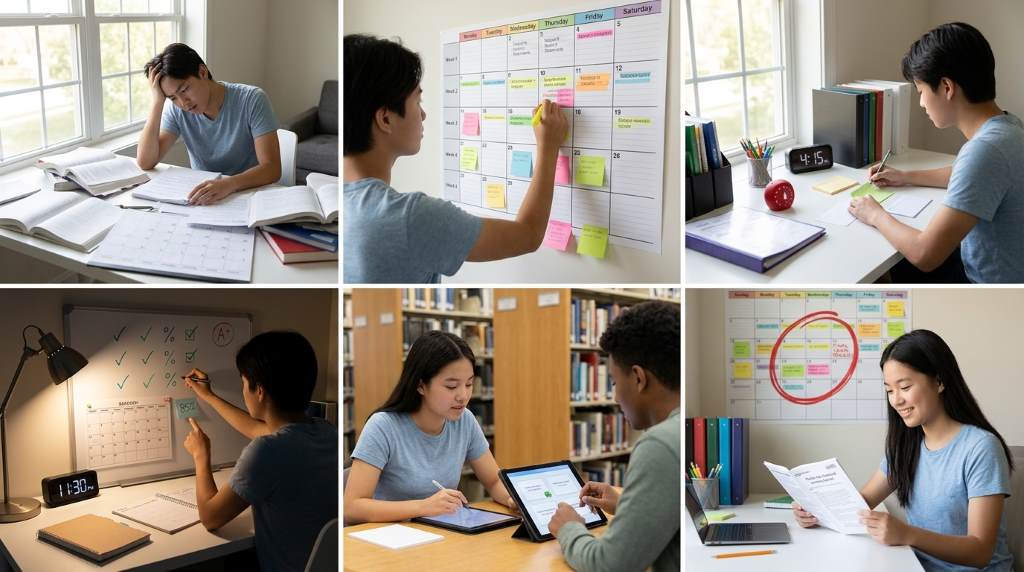
Understand the Concept of Revision Cycles
A revision cycle is a repeated learning process that reviews topics at planned intervals. Students first learn the material, then revisit it several times over days or weeks. Each review strengthens memory and understanding gradually. Therefore, revision becomes more effective than last-minute memorization.
Most successful students use multiple revision rounds before final exams. The first cycle usually focuses on understanding concepts clearly. The second cycle improves memory retention through practice questions and summaries. Finally, the last cycle sharpens speed, accuracy, and confidence.
Revision cycles work because the brain remembers repeated information better over time. This technique follows the spacing effect, which psychologists strongly support. Instead of studying one topic for several hours continuously, students spread sessions across different days. Consequently, the brain processes and stores information more efficiently.
Set Clear Exam Goals Before Planning
Before creating a revision schedule, students should define realistic goals for each subject. Clear targets make the study process more focused and measurable. For example, a student may aim to complete algebra revision within seven days. Likewise, another student may focus on improving essay-writing speed before English exams.
Students should divide goals into daily, weekly, and monthly targets for better tracking. This method prevents confusion and encourages consistent progress throughout the preparation period. Additionally, smaller goals feel less stressful and easier to complete. As a result, motivation remains high during long revision months.
Writing goals on paper or using digital planners can improve accountability. Students should also prioritize difficult subjects during peak energy hours. Furthermore, measurable goals help identify areas that still need improvement. This makes the entire revision process smarter and more strategic.
Create a Realistic Study Timeline
One of the most important parts of how to plan revision cycles before big exams is building a practical study timeline. Students should first count the number of days left before exams begin. Then, they should divide subjects into manageable study blocks. This approach prevents panic during the final weeks.
Students should avoid creating unrealistic schedules filled with nonstop studying. Instead, they should include breaks, exercise, meals, and sleep within the routine. A balanced plan supports mental focus and physical health during preparation. Additionally, realistic schedules are easier to follow consistently.
Modern learning methods also encourage combining traditional study with digital education strategies. This article about maximize career growth education explains how smart educational planning improves long-term academic development. Therefore, structured revision benefits students far beyond exams alone.
Students should also leave buffer days for unexpected delays or difficult topics. Flexibility allows schedules to remain practical under pressure. Moreover, adjusting timelines early prevents stress from building later. This creates a healthier and more productive study experience.
Use the 3 Stage Revision Cycle Method
Stage 1: Learning and Understanding
The first revision stage focuses on understanding the syllabus completely. Students should read textbooks carefully and make concise notes during this phase. In addition, they should clarify confusing topics immediately instead of postponing them. This creates a strong academic foundation for later revision.
Active learning techniques work especially well during this stage. Students can explain concepts aloud, teach friends, or create mind maps for better understanding. Furthermore, summarizing information improves comprehension significantly. These methods also make study sessions more engaging.
Stage 2: Reinforcement and Practice
During the second stage, students should start revisiting topics repeatedly through practice. Solving past papers helps identify weak areas and common mistakes quickly. Additionally, timed exercises improve exam speed and confidence. This stage transforms theoretical knowledge into practical performance.
Flashcards, quizzes, and spaced repetition apps also support memory reinforcement effectively. Students should review mistakes carefully after every practice session. Moreover, correcting errors early prevents repeated confusion later. Consistent practice strengthens long-term recall naturally.
Stage 3: Final Review and Exam Simulation
The final revision stage should happen close to the actual exam dates. Students should focus on short reviews instead of learning entirely new material. Furthermore, they should complete full-length mock exams under timed conditions. This improves focus, stamina, and time management skills.
Quick summaries, formula sheets, and concept maps become useful during final reviews. Students should also reduce study intensity slightly before exams to avoid mental exhaustion. Consequently, they enter exam halls with better clarity and confidence. A calm mind often performs better than an overworked one.
Choose the Right Revision Techniques
Different students learn effectively through different revision techniques. Therefore, students should experiment with methods that match their learning styles. Visual learners often benefit from diagrams, charts, and color-coded notes. Meanwhile, auditory learners may prefer recorded explanations or group discussions.
Some highly effective revision techniques include:
- Active recall through self-testing
- Spaced repetition for long-term memory
- Pomodoro sessions for better concentration
- Mind mapping for visual understanding
- Practice papers under timed conditions
Students should combine multiple techniques instead of depending on only one method. This improves engagement and reduces study boredom significantly. Additionally, mixed revision styles activate different parts of the brain. As a result, learning becomes stronger and more flexible.
Avoid Common Revision Planning Mistakes
Many students fail because they create revision plans that look productive but lack practicality. Overloading daily schedules often leads to burnout within a few days. Therefore, students should focus on consistency instead of unrealistic perfection. Small progress every day creates better long-term results.
Another common mistake involves ignoring weak subjects until the final week. Difficult topics need repeated exposure over time for proper understanding. Moreover, avoiding challenging material increases stress closer to exams. Students should face weaker areas early and review them regularly.
Some students also spend too much time reading notes passively. Unfortunately, passive reading creates an illusion of learning without improving recall. Instead, students should practice retrieval methods actively during revision sessions. This strategy strengthens memory much faster.
Balance Revision With Mental and Physical Health
Students often underestimate the connection between health and academic performance. However, sleep, exercise, and nutrition directly affect concentration and memory. Students should sleep at least seven to eight hours every night during exam preparation. Adequate rest helps the brain process and store information properly.
Short physical activities can also improve focus and reduce stress significantly. Walking, stretching, or light exercise between study sessions refreshes the mind naturally. In addition, healthy snacks and hydration support energy levels throughout long revision periods. Small lifestyle improvements can produce major academic benefits.
Students should also schedule relaxation time to avoid emotional exhaustion. Listening to music, talking with friends, or taking short breaks improves mental balance. Furthermore, balanced routines reduce anxiety before exams. Healthy students usually perform better under pressure.
Track Your Revision Progress Regularly
Tracking progress helps students stay motivated and organized during revision cycles. Students should review completed topics weekly and identify unfinished tasks quickly. This habit prevents small delays from becoming major problems later. Additionally, visible progress builds confidence steadily.
Study trackers, calendars, and mobile apps can simplify progress monitoring effectively. Students may also use checklists to mark completed revision goals daily. Moreover, reviewing progress encourages better discipline and accountability. Consistency becomes easier when students can see improvement clearly.
Parents and teachers can also support students by reviewing revision progress occasionally. Positive encouragement helps maintain motivation during stressful preparation periods. Furthermore, external support creates accountability and emotional reassurance. This combination improves overall study performance.
How To Stay Consistent With Revision Cycles
Consistency remains the most important factor in successful exam preparation. Students should build routines that feel manageable instead of overwhelming. Studying at the same time daily helps the brain develop productive habits naturally. Consequently, revision becomes easier over time.
Reward systems can also improve consistency during long study periods. For example, students may reward themselves after completing difficult tasks or practice tests. Small rewards increase motivation and reduce boredom effectively. Therefore, revision sessions feel more enjoyable and sustainable.
Modern online education methods also support interactive revision planning. This guide on apply immersive learning online explains how engaging digital learning techniques improve understanding and retention. Combining technology with structured revision cycles can significantly improve exam performance.
Conclusion
Learning how to plan revision cycles before big exams gives students a smarter and less stressful path toward academic success. Structured revision improves memory, increases confidence, and reduces last-minute panic significantly. Furthermore, realistic schedules and active learning methods help students stay productive without burnout. Students who revise consistently usually perform better than those who rely on cramming.
Start building your revision cycle today instead of waiting for exam pressure to increase. Focus on steady improvement, balanced routines, and regular practice sessions throughout your preparation period. Additionally, track your progress and adjust your methods whenever necessary. A well-planned revision cycle can transform both exam performance and long-term learning habits.
FAQs
How early should I start revision before big exams?
Students should ideally begin structured revision at least two to three months before major exams.
How long should a revision session last?
Most students benefit from focused revision sessions lasting 25 to 50 minutes with short breaks.
What is the best revision technique for memory?
Active recall combined with spaced repetition works best for improving long-term memory retention.
Should I revise every subject daily?
Students should rotate subjects strategically instead of revising all subjects every single day.
Can revision cycles reduce exam anxiety?
Yes, structured revision cycles improve confidence and reduce stress by increasing preparation levels gradually.