
Key Takeaways
- Time management helps children build responsibility, independence, and self-discipline.
- Consistent daily routines make it easier for kids to understand and manage their time.
- Teaching children to prioritize tasks helps them focus on what is most important first.
- Breaking large tasks into smaller steps reduces overwhelm and increases motivation.
- Visual schedules, checklists, and timers improve time awareness and organization.
- Positive reinforcement encourages children to develop lasting time management habits.
- Parents play a crucial role by modeling effective planning and organizational skills.
- Avoid over-scheduling and allow children enough time for rest, play, and creativity.
- Strong time management skills can improve academic performance and reduce stress.
- Early practice with time management creates lifelong habits that support future success.
Introduction
Many parents struggle with the same challenge. Their child forgets homework, rushes through assignments, spends too much time on screens, or constantly says, “I forgot.” While this behavior is common, it often points to one important life skill that still needs development: time management.
Time management for kids is not about creating strict schedules or controlling every minute of the day. Instead, it helps children understand priorities, build routines, and develop responsibility healthily. According to the American Academy of Pediatrics, consistent routines help children develop self-regulation skills and improve emotional well-being. Additionally, research from the National Institutes of Health shows that executive function skills, including planning and organization, play a major role in academic and life success.
The good news is that children can learn these skills gradually. With the right approach, parents and caregivers can teach time management in a stress-free and positive way.

Why Time Management Matters for Kids
Children face more responsibilities today than ever before. School assignments, extracurricular activities, family commitments, and digital distractions compete for their attention every day.
When kids learn how to manage their time effectively, they gain several benefits:
- Better academic performance
- Reduced stress and anxiety
- Improved focus and concentration
- Stronger problem-solving skills
- Greater independence and confidence
Moreover, good time management habits developed during childhood often continue into adulthood. Therefore, teaching these skills early can create long-term advantages.
Understanding Time Management Through a Child’s Eyes
Adults often view time differently from children. Most young children cannot naturally estimate how long tasks take. Ten minutes and one hour may feel almost the same to them.
Because of this, children need guidance and practice before they can manage time independently.
For example, a parent may say, “Get ready for school in fifteen minutes.” However, a child may not understand what fifteen minutes actually feels like. As a result, frustration develops on both sides.
Instead of expecting instant understanding, parents should focus on teaching time awareness step by step. Once children understand how time works, managing it becomes much easier.
Tip 1: Create Simple and Predictable Daily Routines
One of the most effective ways to teach time management for kids is through consistent routines.
Children thrive when they know what comes next. Predictable schedules reduce decision fatigue and help kids transition smoothly between activities.
How Routines Support Time Management
Daily routines teach children:
- Sequencing skills
- Responsibility
- Independence
- Planning habits
- Time awareness
For example, a morning routine may include:
- Wake up
- Brush teeth
- Get dressed
- Eat breakfast
- Pack backpack
- Leave for school
Repeating these steps every day helps children internalize the process.
Make Routines Visual
Visual schedules work especially well for younger children.
Consider using:
- Picture charts
- Color-coded schedules
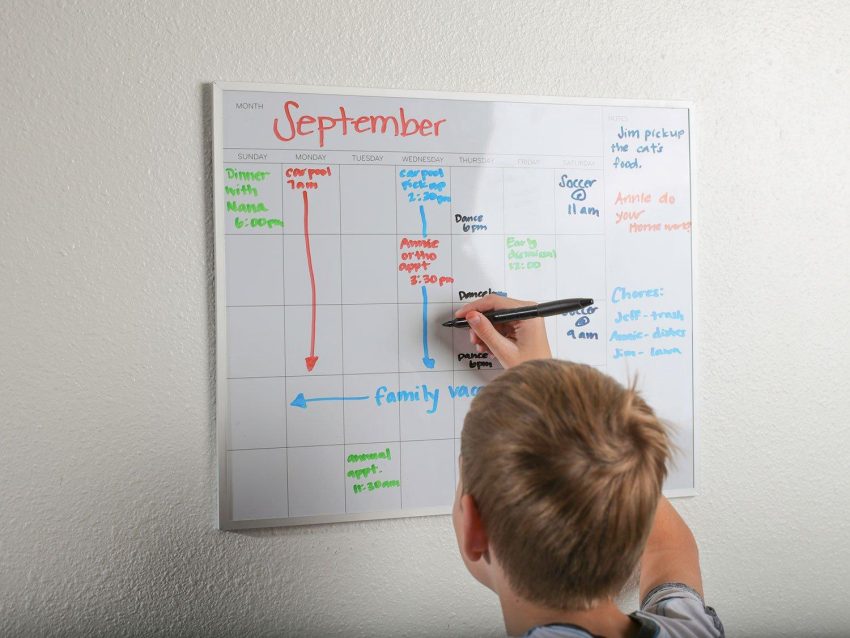
- Whiteboards
- Routine checklists
Visual reminders allow children to follow routines independently instead of relying on constant parental prompts.
Keep Expectations Realistic
Children learn gradually. Start with one routine before adding more.
Focus on:
- Morning routines
- Homework routines
- Bedtime routines
Once one routine becomes automatic, introduce another.
Tip 2: Teach Prioritization Using Everyday Activities
Many children feel overwhelmed because everything seems equally important.
Teaching prioritization helps them understand what should happen first and what can wait until later.
Explain Priorities in Simple Language
Instead of discussing complex productivity systems, use relatable examples.
For instance:
“Homework comes before video games because homework has a deadline.”
“Packing your soccer bag comes before watching television because practice starts soon.”
These examples help children understand urgency and importance.
Use the First Then Method
The First Then strategy works extremely well.
Examples include:
- First homework, then screen time.
- First, clean your room, then play outside.
- First finish reading, then choose a game.
This approach creates clear expectations while reducing power struggles.
Encourage Decision Making
Allow children to practice prioritizing independently.
Ask questions such as:
- What needs to be done today?
- Which task should happen first?
- What will take the longest?
Over time, these conversations strengthen planning skills.
Tip 3: Break Big Tasks Into Smaller Steps
Large projects can feel intimidating for children. Consequently, many kids procrastinate simply because they do not know where to start.
Breaking tasks into smaller pieces makes them manageable and less stressful.
Why Small Steps Work
Children gain confidence when they experience quick wins.
Instead of saying:
“Finish your science project.”
Try:
- Choose a topic.
- Gather materials.
- Research information.
- Create the presentation.
- Review your work.
Each completed step provides a sense of accomplishment.
Use Checklists
Checklists help children visualize progress.
A completed checklist:
- Increases motivation
- Reduces overwhelm
- Builds accountability
- Encourages independence
Furthermore, crossing off completed tasks provides immediate positive reinforcement.
Celebrate Progress
Parents often focus only on final outcomes. However, recognizing effort during the process is equally important.
Praise statements such as:
- “You completed the first step.”
- “You stayed focused for twenty minutes.”
- “You organized your materials really well.”
These comments reinforce productive habits.
Tip 4: Introduce Time Awareness With Timers and Clocks
Children cannot manage time effectively if they cannot visualize it.
Teaching time awareness helps bridge this gap.
Use Visual Timers
Visual timers make time visible.
Unlike traditional clocks, they allow children to see time passing in real time.
Visual timers work well for:
- Homework sessions
- Chores
- Reading time
- Morning preparation
As a result, children become more aware of how long activities actually take.
Practice Estimating Time
Turn time estimation into a game.
Ask questions like:
- How long do you think cleaning your room will take?
- How long will this puzzle take to finish?
Afterward, compare estimates with actual results.
Children gradually develop stronger time perception skills through repeated practice.
IntroduceAge-Appropriatee Responsibility
As children grow older, encourage them to monitor time independently.
For example:
- Elementary students can follow timers.
- Middle school students can use planners.
- Teenagers can manage digital calendars.
This gradual progression supports confidence and independence.
Tip 5: Model Good Time Management Habits
Children learn by watching adults.
In fact, modeling often teaches more effectively than direct instruction.
Show Your Planning Process
Let children observe how you organize responsibilities.
You might say:
- “I am writing my tasks for tomorrow.”
- “I need to finish work before dinner.”
- “I am setting a reminder so I do not forget.”
These simple statements demonstrate practical planning strategies.
Avoid Constant Rushing
Frequent rushing can unintentionally teach poor time habits.
Instead:
- Leave early when possible.
- Prepare items the night before.
- Build extra time into schedules.
Children learn that preparation reduces stress.
Share Mistakes and Solutions
Nobody manages time perfectly.
When mistakes happen, discuss them openly.
For example:
“I forgot an appointment because I did not write it down. Next time I will add it to my calendar.”
These conversations teach problem-solving rather than perfectionism.
Common Time Management Mistakes Parents Should Avoid
Even with good intentions, some strategies can backfire.
Doing Everything for Your Child
Children need opportunities to practice responsibility.
Instead of solving every problem, guide them through the process.
Over Scheduling Activities
Too many commitments can create stress and exhaustion.
Children need free time for creativity, relaxation, and play.
Expecting Adult Level Organization
Time management skills develop gradually.
Age-appropriate expectations lead to better outcomes than unrealistic standards.
Using Punishment as the Main Strategy
Fear rarely teaches lasting organizational skills.
Positive reinforcement and coaching produce stronger long-term results.
A Real Life Example of Time Management Success
Consider an eight-year-old student who frequently forgot homework assignments and struggled with morning routines.
Her parents introduced three simple changes:
- A visual morning checklist
- A homework routine at the same time each day
- A timer during homework sessions
Within several weeks, she became more independent and needed fewer reminders. Her school performance improved, and morning stress decreased significantly.
This example highlights an important lesson. Small, consistent changes often produce the biggest results.
Long-Term Benefits of Teaching Time Management Early
Time management skills extend far beyond childhood.
Children who learn these habits often become adults who can:
- Meet deadlines effectively
- Balance responsibilities
- Reduce stress levels
- Achieve personal goals
- Build stronger self-discipline
Additionally, strong executive functioning skills support success in education, careers, and relationships.
Therefore, investing time in these lessons today creates benefits that can last a lifetime.
Conclusion
Teaching time management for kids does not require strict schedules or constant supervision. Instead, success comes from simple routines, clear priorities, manageable tasks, time awareness, and positive role modeling.
Children develop these skills gradually through practice and encouragement. Although progress may seem slow at first, consistent guidance helps build confidence and independence over time.
Start with one strategy this week. Create a routine, introduce a checklist, or use a timer during homework. Small actions today can help your child develop lifelong habits that support success, responsibility, and reduced stress.
FAQs
What is the best age to start teaching time management to kids?
Children can begin learning basic time management concepts as early as preschool. Simple routines and visual schedules work particularly well for younger children.
How can I help my child stop procrastinating?
Break large tasks into smaller steps, use checklists, and create structured routines. Smaller tasks feel less overwhelming and encourage action.
Are digital tools helpful for teaching time management?
Yes. Older children and teenagers can benefit from calendar apps, reminders, and digital planners. Younger children often respond better to visual charts and timers.
How long does it take children to develop time management skills?
Development varies by age and personality. Consistent practice over several months typically produces noticeable improvements.
Can time management reduce stress in children?
Absolutely. Clear routines and organized schedules reduce uncertainty, improve confidence, and help children feel more in control of daily responsibilities.