
Imagine sitting in a math class, heart racing as the teacher announces a timed multiplication quiz. Your pencil hovers over the paper, but the numbers blur together. Sound familiar? For many, multiplication can feel like a mental marathon, but it doesn’t have to. A multiplication speed test is a powerful tool to sharpen your math skills, build confidence, and make numbers your ally—not your enemy. Whether you’re a student, a parent helping a child, or an adult brushing up on mental math, mastering multiplication through speed tests can transform your relationship with numbers.
In this article, we’ll dive into what multiplication speed tests are, why they matter, and how you can use them to improve your math fluency. We’ll explore practical tips, benefits, and tools to help you or your child excel, all while keeping the process engaging and stress-free. Let’s unlock the secrets to mastering multiplication quickly and effectively!
What Is a Multiplication Speed Test?
A multiplication speed test is a timed exercise designed to assess and improve your ability to recall multiplication facts quickly and accurately. Typically, these tests involve solving a series of multiplication problems—such as 7 × 8 or 12 × 6—within a set time limit, often one to five minutes. The goal is to answer as many problems correctly as possible, sharpening both speed and precision.
These tests are common in classrooms to help students memorize multiplication tables (often from 1 × 1 to 12 × 12) but are also popular among adults seeking to enhance mental math skills. They can be paper-based, digital, or even gamified through apps and websites, making them accessible for all ages.
Why Are Multiplication Speed Tests Important?
Multiplication is a foundational skill in mathematics, underpinning more advanced concepts like division, fractions, algebra, and even real-world tasks like budgeting or cooking. Speed tests help by:
- Building Fluency: Quick recall of multiplication facts reduces cognitive load, freeing your brain to tackle complex problems.
- Boosting Confidence: Mastering multiplication tables through timed practice builds self-assurance in math.
- Enhancing Mental Math: Speed tests train your brain to calculate without relying on calculators or written methods.
- Preparing for Academic Success: Many standardized tests and classroom assessments reward quick, accurate calculations.
By practicing regularly, you can turn multiplication into second nature, much like tying your shoes or riding a bike.
Benefits of Practicing Multiplication Speed Tests
Engaging in regular multiplication speed tests offers a range of benefits beyond just memorizing times tables. Here’s why they’re worth your time:
-
Improved Cognitive Skills
Timed multiplication exercises enhance cognitive functions like memory, focus, and processing speed. According to a 2019 study in Educational Psychology Review, consistent practice with math facts strengthens neural pathways, making recall faster and more automatic.
-
Time Management and Pressure Handling
Speed tests simulate high-pressure environments, teaching you to stay calm and focused under time constraints—a skill valuable in exams and real-life scenarios.
-
Gamified Learning
Many modern multiplication speed tests are designed as games, making learning fun and engaging. Apps like Prodigy or websites like Math Playground incorporate leaderboards, rewards, and colorful interfaces to keep users motivated.
-
Applicability to Everyday Life
From calculating tips at a restaurant to determining discounts while shopping, quick multiplication skills are practical for daily tasks. Speed tests ensure you can perform these calculations effortlessly.
-
Support for Advanced Math
Fluency in multiplication lays the groundwork for tackling fractions, percentages, and algebraic equations. Without a solid grasp of times tables, higher-level math can feel overwhelming.
How to Excel at Multiplication Speed Tests
Ready to ace your next multiplication speed test? Follow these practical strategies to boost your performance and make practice enjoyable.
-
Master the Basics First
Start by memorizing multiplication tables from 1 to 12. Focus on one table at a time (e.g., the 2s, then the 3s) before combining them. Use flashcards, songs, or rhymes to make memorization fun. For example, singing “6 × 8 is 48” to a catchy tune can make it stick.
-
Practice with Purpose
Set aside 10–15 minutes daily for timed practice. Use printable worksheets or online tools like Multiplication.com or Cool Math Games. Gradually reduce the time limit as your speed improves to mimic real test conditions.
-
Focus on Tricky Tables
Certain multiplication facts, like 7 × 8 or 9 × 12, are notoriously difficult. Identify your weak spots and drill them specifically. For instance, break down 7 × 8 as (7 × 7) + 7 = 49 + 7 = 56 to make it easier to remember.
-
Use Technology to Your Advantage
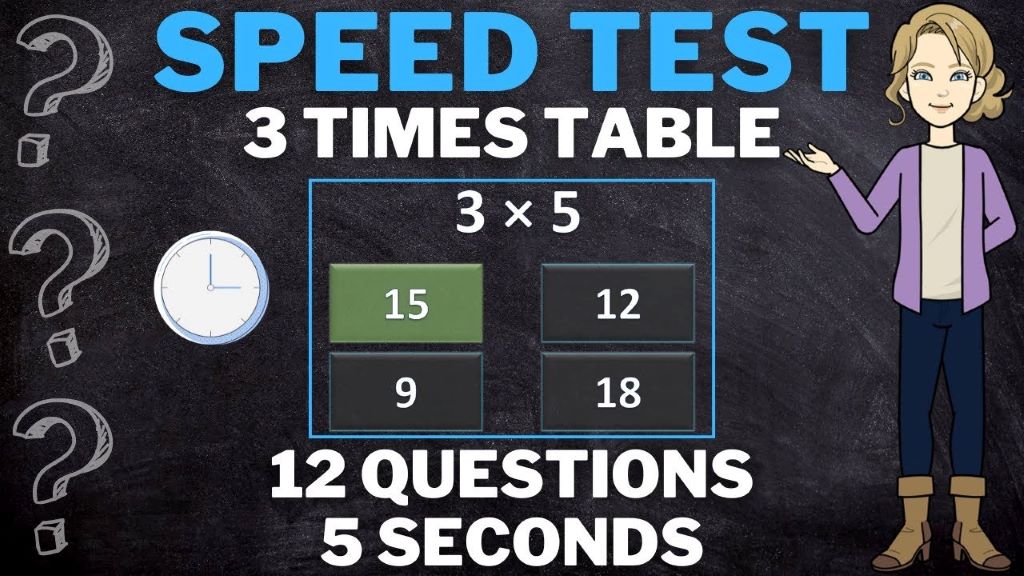
Leverage apps and websites for interactive practice. Some top tools include:
- Khan Academy: Offers free multiplication drills with progress tracking.
- Times Tables Rock Stars: A gamified platform where kids compete to solve problems.
- Math Trainer: A mobile app with adaptive difficulty levels.
These tools often provide instant feedback, helping you correct mistakes in real time.
-
Incorporate Visual and Kinesthetic Learning
For visual learners, use multiplication charts or color-coded tables to spot patterns (e.g., the 9s table has digits that add up to 9). For kinesthetic learners, try physical activities like hopscotch with multiplication facts or writing answers in sand.
-
Stay Positive and Patient
Math anxiety can hinder progress. Celebrate small wins, like improving your score by five points, and avoid self-criticism. A positive mindset keeps practice sessions productive and fun.
Common Challenges and How to Overcome Them
Even with the best intentions, multiplication speed tests can pose challenges. Here’s how to tackle common hurdles:
Challenge 1: Math Anxiety
Solution: Break practice into short, low-pressure sessions. Start with easy facts (e.g., 2s and 5s) to build confidence before tackling harder ones.
Challenge 2: Forgetting Facts Under Pressure
Solution: Use mnemonic devices or patterns. For example, for 9 × 4, think: “One less than 4 is 3, so the answer starts with 3, and the digits add to 9—36.”
Challenge 3: Lack of Motivation
Solution: Turn practice into a game. Compete with friends or family, or reward yourself with a treat after completing a set number of problems correctly.
Challenge 4: Slow Recall
Solution: Practice skip counting (e.g., 3, 6, 9, 12…) to reinforce patterns. Over time, this builds muscle memory for quick recall.
Tools and Resources for Multiplication Speed Tests
To make your practice effective, use a mix of traditional and digital resources tailored to your learning style. Here are some top picks:
- Printable Worksheets: Websites like K5 Learning offer free, customizable multiplication worksheets for all skill levels.
- Online Speed Tests: Multiplication.com provides timed quizzes with adjustable difficulty and instant scoring.
- Mobile Apps: Apps like Math Ninja or Squeebles Times Tables make practice portable and engaging.
- Physical Tools: Multiplication flash cards or board games like “Math War” are great for hands-on learning.
For parents, consider setting up a reward system to keep kids motivated, such as earning screen time for completing daily drills.
How Parents and Teachers Can Support Students
If you’re helping a child with multiplication speed tests, your role is crucial. Here’s how to provide effective support:
- Create a Routine: Set a consistent time for practice, like 10 minutes after homework, to build a habit.
- Make It Fun: Use games, apps, or real-world scenarios (e.g., calculating grocery costs) to show the relevance of multiplication.
- Provide Encouragement: Praise effort, not just results, to foster a growth mindset.
- Monitor Progress: Track scores over time to show improvement and set achievable goals.
Teachers can incorporate speed tests into classroom activities, such as weekly “Math Minute” challenges, to make learning collaborative and exciting.
Why Multiplication Speed Tests Are More Than Just Drills
Beyond improving math skills, multiplication speed tests teach discipline, resilience, and problem-solving. They show that consistent effort leads to mastery, a lesson that applies far beyond the classroom. Whether you’re preparing for a test, helping a child, or sharpening your mental math, these exercises build skills that last a lifetime.
Call to Action: Start Your Multiplication Journey Today!
Ready to conquer multiplication? Start by taking a quick speed test online to gauge your current level. Set a goal—maybe answering 20 questions correctly in one minute—and practice daily using the tools and tips above. Share your progress in the comments below, or challenge a friend to a multiplication showdown! For more math tips and resources, subscribe to our blog or explore our recommended tools to keep your skills sharp. Let’s make math fun, fast, and fearless!
Read More: