
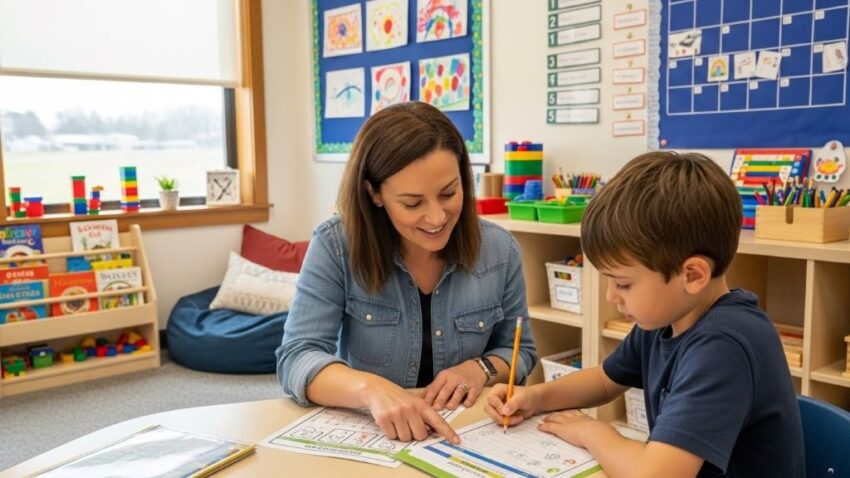
Special educational needs support encompasses a wide range of services designed to help students with learning differences thrive in school. Every child learns differently, and some require additional assistance to reach their full potential. Understanding what this support includes can help parents, educators, and students navigate the educational system more effectively.
Understanding Special Educational Needs
Special educational needs, often abbreviated as SEN, refer to learning difficulties or disabilities that require additional support beyond standard classroom instruction. These needs can affect a child’s ability to learn in the same way as their peers. Additionally, they may impact communication, behavior, or physical abilities.
Children with SEN benefit from tailored approaches that address their unique challenges. However, identifying these needs early makes a significant difference in educational outcomes. Therefore, schools and parents must work together to recognize when a child requires extra support.
Types of Learning Difficulties Covered
Special educational needs support covers various conditions and challenges. Some students struggle with specific learning difficulties like dyslexia, which affects reading and writing skills. Others may have dyscalculia, impacting their mathematical abilities. Furthermore, some children experience dyspraxia, affecting coordination and movement.
Attention deficit hyperactivity disorder (ADHD) also falls under SEN support. Students with ADHD often find it challenging to concentrate or control impulsive behaviors. Autism spectrum disorder represents another common area where specialized support proves essential. Moreover, children with speech and language difficulties benefit from targeted interventions.
Physical disabilities and sensory impairments also require special educational support. Visual or hearing impairments need specific accommodations to ensure students can access the curriculum fully. Consequently, support services must adapt to each child’s particular needs.
Individualized Education Plans
An individualized education plan, or IEP, forms the cornerstone of special educational needs support. This document outlines specific goals, accommodations, and services for each student. Teachers, parents, and specialists collaborate to create this personalized roadmap for success.
The IEP includes measurable academic and functional goals. Additionally, it specifies the support services the student will receive. These might include speech therapy, occupational therapy, or counseling. Furthermore, the plan details any necessary classroom modifications or assistive technology.
Regular reviews ensure the IEP remains relevant and effective. Parents participate in these meetings to discuss progress and adjust strategies as needed. Therefore, the plan evolves alongside the student’s changing needs and abilities.
Classroom Accommodations and Modifications
Classroom accommodations represent practical adjustments that help students access learning materials. These changes do not alter what students learn but rather how they learn it. For example, a student might receive extended time on tests or assignments. Alternatively, they could use audiobooks instead of traditional textbooks.
Modifications, however, change the curriculum itself. A student might work on simplified assignments or alternate assessments. Additionally, some learners benefit from reduced homework loads or modified grading standards. Teachers implement these adjustments based on each student’s IEP recommendations.
Seating arrangements also play a crucial role. Students with attention difficulties often sit near the teacher to minimize distractions. Furthermore, children with sensory sensitivities might need a quieter workspace or special lighting.
Specialized Instruction and Teaching Methods
Specialized instruction involves teaching strategies specifically designed for students with learning differences. Teachers receive training in evidence-based methods that support diverse learners. Multisensory instruction, for instance, engages multiple senses simultaneously to reinforce learning.
Small group instruction allows teachers to provide more focused attention. This approach helps students who struggle in large classroom settings. Additionally, one-on-one tutoring offers intensive support for particularly challenging subjects.
Assistive technology has transformed special education. Text-to-speech software helps students with reading difficulties. Speech-to-text programs assist those who struggle with writing. Moreover, specialized apps and computer programs make learning more accessible and engaging.

Therapeutic Services and Support
Many students with special educational needs require therapeutic services beyond academic instruction. Speech and language therapy helps children develop communication skills. Occupational therapy addresses fine motor skills, sensory processing, and daily living activities. Physical therapy supports students with mobility challenges or gross motor difficulties.
Counseling services provide emotional and behavioral support. School psychologists and counselors help students develop coping strategies and social skills. Furthermore, they assist with anxiety, depression, or behavioral challenges that interfere with learning.
Social skills training helps students build relationships and navigate social situations. This support proves particularly valuable for children with autism or social communication disorders. Therefore, therapeutic services address the whole child, not just academic needs.
Collaboration Between Parents and Schools
Effective special educational needs support requires strong partnerships between families and schools. Parents know their children best and provide valuable insights into their needs and strengths. Regular communication ensures everyone works toward common goals.
According to the U.S. Department of Education, parent involvement significantly impacts student success. Schools must keep families informed about progress and challenges. Additionally, parents should feel comfortable raising concerns or requesting additional evaluations.
Parent training programs help families support learning at home. These workshops teach strategies for reinforcing skills and managing behaviors. Moreover, support groups connect families facing similar challenges, reducing isolation and providing practical advice.
Assessment and Progress Monitoring
Regular assessments determine whether support strategies are working effectively. Teachers track progress toward IEP goals through ongoing observation and testing. Data collection helps identify areas where students excel or continue to struggle.
Formal evaluations occur periodically to reassess needs and eligibility for services. Psychoeducational assessments measure cognitive abilities, academic achievement, and processing skills. Furthermore, speech-language evaluations or occupational therapy assessments provide specialized information.
Progress reports keep parents informed about their child’s development. These updates celebrate successes and identify areas needing additional attention. Therefore, assessment serves as both a monitoring tool and a guide for adjusting support strategies.
Transition Planning and Life Skills
Special educational needs support extends beyond academic instruction to include life skills and transition planning. As students approach adulthood, support shifts toward preparing them for independent living and employment. Transition planning typically begins around age 14 or earlier if appropriate.
Students learn practical skills like managing money, using public transportation, and maintaining personal hygiene. Vocational training introduces job skills and workplace behaviors. Additionally, some programs offer internships or work experiences in the community.
Post-secondary education planning helps students explore college options or vocational programs. Support continues through graduation to ensure smooth transitions. Consequently, comprehensive SEN support prepares students for success throughout their lives.
Legal Rights and Protections
Students with special educational needs have legal protections ensuring access to appropriate education. The Individuals with Disabilities Education Act (IDEA) guarantees free appropriate public education in the least restrictive environment. Section 504 of the Rehabilitation Act provides accommodations for students with disabilities.
These laws require schools to identify, evaluate, and serve eligible students. Parents have the right to participate in educational decisions and dispute resolution processes. Furthermore, students cannot face discrimination based on their disabilities.
Understanding these rights empowers families to advocate effectively for their children. The U.S. Department of Education’s Office of Special Education Programs provides resources and guidance on special education law. Schools must comply with these regulations while providing quality support services.
Conclusion
Special educational needs support includes a comprehensive range of services designed to help every student succeed. From individualized education plans and classroom accommodations to therapeutic services and transition planning, this support addresses academic, social, emotional, and functional needs. Collaboration between parents, teachers, and specialists ensures students receive appropriate interventions tailored to their unique challenges. Understanding what SEN support includes empowers families to advocate effectively and helps educators provide meaningful assistance. Ultimately, comprehensive special educational needs support enables all students to reach their full potential and prepare for successful futures.
Frequently Asked Questions
How do I know if my child needs special educational support?
Watch for persistent struggles with reading, writing, math, or behavior despite extra help at home. Significant gaps between ability and achievement, difficulty following instructions, or social challenges may indicate a need for evaluation. Contact your child’s teacher to discuss concerns and request an assessment if necessary.
What is the difference between a 504 plan and an IEP?
An IEP provides specialized instruction and related services for students who meet specific disability criteria under IDEA. A 504 plan offers accommodations and modifications for students with disabilities who do not require specialized instruction. Both ensure students receive necessary support, but IEPs involve more comprehensive services and monitoring.
Can my child receive special education services in a regular classroom?
Yes, inclusion is the preferred approach whenever possible. Most students with special educational needs spend significant time in general education classrooms with appropriate supports and accommodations. This approach, called mainstreaming or inclusion, benefits both students with disabilities and their peers through social interaction and academic engagement.
How often are IEPs reviewed and updated?
Schools must review IEPs at least annually to assess progress and make necessary adjustments. However, parents can request meetings more frequently if concerns arise. Complete reevaluations typically occur every three years to determine continued eligibility and appropriate services, though parents or teachers can request earlier evaluations if needed.
What happens to special education services after high school?
Special education services through public schools end when students graduate with a regular diploma or reach the maximum age (usually 21 or 22). However, transition planning helps students access adult services, vocational rehabilitation, college disability support offices, or community programs. Rights shift from IDEA protections to the Americans with Disabilities Act and Section 504 in post-secondary settings.
Related Topics:
Best Smart Digital Classroom Assets Solutions